Palm Jumeirah, the world-renowned man-made island shaped like a palm tree, is one of Dubai’s most ambitious and globally recognized megaprojects. Developed by Nakheel Properties, this engineering marvel not only symbolizes the emirate’s innovative spirit but also serves as a major driver of Dubai’s economy through tourism, trade, real estate, and investment.
1. Strategic Overview of Palm Jumeirah
Palm Jumeirah spans approximately 560 hectares and extends into the Arabian Gulf, adding over 78 kilometers of coastline to Dubai. The island is divided into three major components:
- The Trunk – commercial and residential hubs with malls, hotels, and apartments.
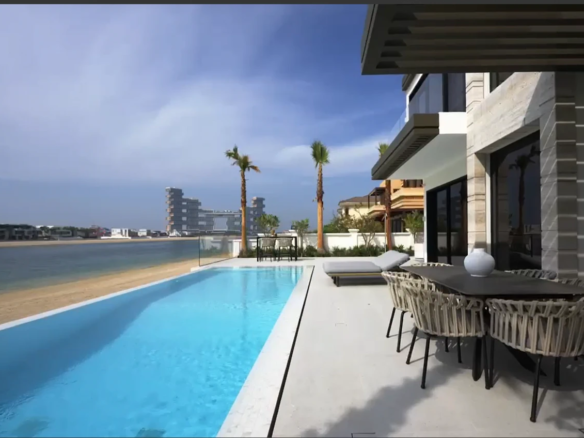
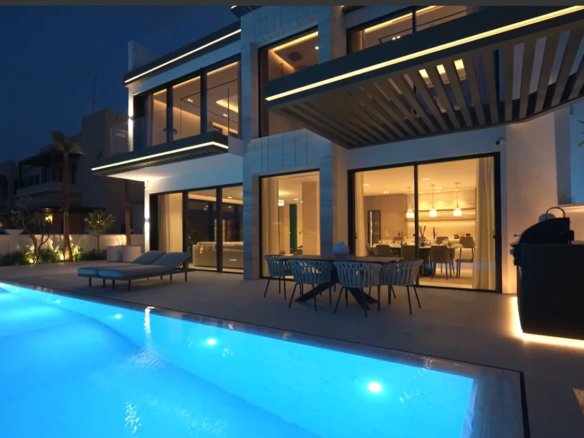
- The Fronds – luxurious waterfront villas offering privacy and exclusivity.
- The Crescent – a protective breakwater housing world-class resorts and hotels.
Accessible via road, monorail, and water taxis, the island is a self-contained lifestyle destination.
2. Tourism Significance
Global Tourist Magnet
Palm Jumeirah is one of Dubai’s top tourist destinations, attracting millions of visitors annually with its ultra-luxury hotels, pristine beaches, water parks, and gourmet dining.
Key Attractions:
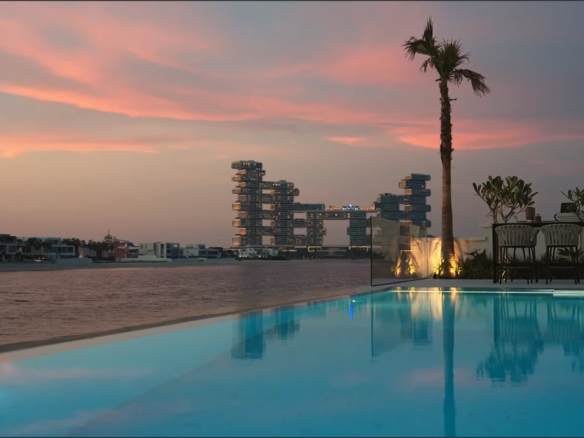
- Atlantis, The Palm – a landmark hotel featuring an aquaventure waterpark, marine exhibits, fine dining, and celebrity events.
- The Pointe – a waterfront retail and dining promenade with views of The Palm Fountain, the world’s largest dancing fountain.
- Nakheel Mall – a shopping and entertainment destination catering to tourists and residents alike.
- Club Vista Mare & Palm West Beach – trendy beach clubs, restaurants, and leisure facilities.
Palm Jumeirah’s tourism infrastructure is a vital component of Dubai’s broader goal to attract over 25 million visitors annually.
3. Trade and Business Landscape
Retail and Hospitality Trade Hub
While Palm Jumeirah is not an industrial or logistics hub, it plays a vital role in Dubai’s hospitality and luxury retail sectors, both significant contributors to trade revenues.
- Retail and hospitality spaces, such as Nakheel Mall, The Pointe, and Golden Mile Galleria, host a mix of international and local brands, creating a high-value trade ecosystem.
- The hospitality sector is supported by luxury hotels including Waldorf Astoria, FIVE Palm Jumeirah, and The St. Regis, enhancing Dubai’s global brand as a business and leisure destination.
4. Investment Importance
A Prime Investment Destination
Palm Jumeirah is among the most sought-after real estate markets in Dubai, drawing international investors, high-net-worth individuals (HNWIs), and institutional buyers.
Key investment drivers:
- High rental yields and capital appreciation.
- Freehold ownership for foreigners.
- Stable regulatory environment and attractive visa policies for property investors.
Palm Jumeirah properties maintain high liquidity and are often seen as resilient against market fluctuations due to their prestige, limited supply, and global demand.
5. Real Estate Development
Diverse Real Estate Offerings
Palm Jumeirah showcases a diverse real estate portfolio, including:
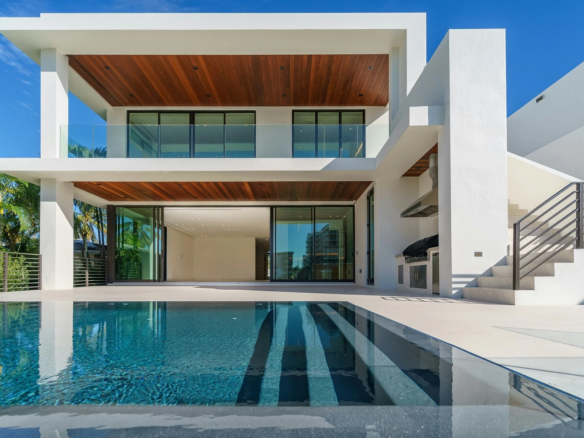
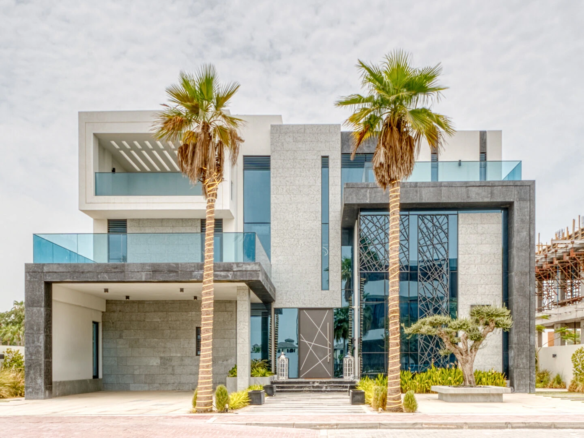
- Beachfront Villas – such as Signature Villas and Garden Homes, some priced upwards of AED 100 million.
- Luxury Apartments – like those in The Royal Atlantis, One Palm, and Serenia Residences.
- Branded Residences – including projects with global names like Dorchester Collection, Kempinski, and Fairmont.
These properties offer unparalleled amenities, private beaches, concierge services, and world-class infrastructure, appealing to end-users and investors alike.
Sustainability and Smart Living
Recent developments emphasize eco-friendly architecture and smart home technology. Developers are focusing on sustainable living, solar energy, water conservation, and green mobility to align with Dubai’s long-term sustainability vision.
6. Economic Impact and Future Outlook
Palm Jumeirah significantly contributes to Dubai’s GDP through:
- Real estate transactions and registration fees.
- Tourism and hospitality revenue.
- Retail and lifestyle spending.
Looking ahead, ongoing development in Palm Jumeirah and adjacent islands (Palm Jebel Ali and Palm Deira) is expected to expand Dubai’s premium real estate and tourism footprint. The continued demand for waterfront properties suggests long-term growth in property values and investment returns.
Conclusion
Palm Jumeirah is not just an architectural and engineering marvel but also a cornerstone of Dubai’s economic, tourism, and real estate strategy. It embodies the emirate’s vision of innovation, luxury, and global leadership. As Dubai continues to grow, Palm Jumeirah stands as a testament to the city’s ambitions—offering unmatched opportunities for tourism, trade, investment, and real estate development.