…………………………………..
Price: AED 35M.
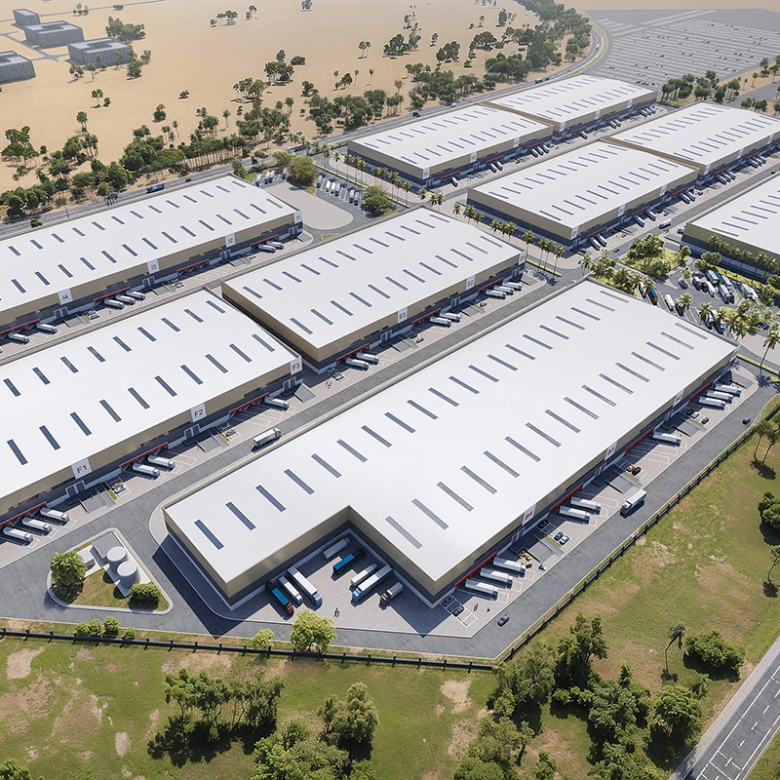
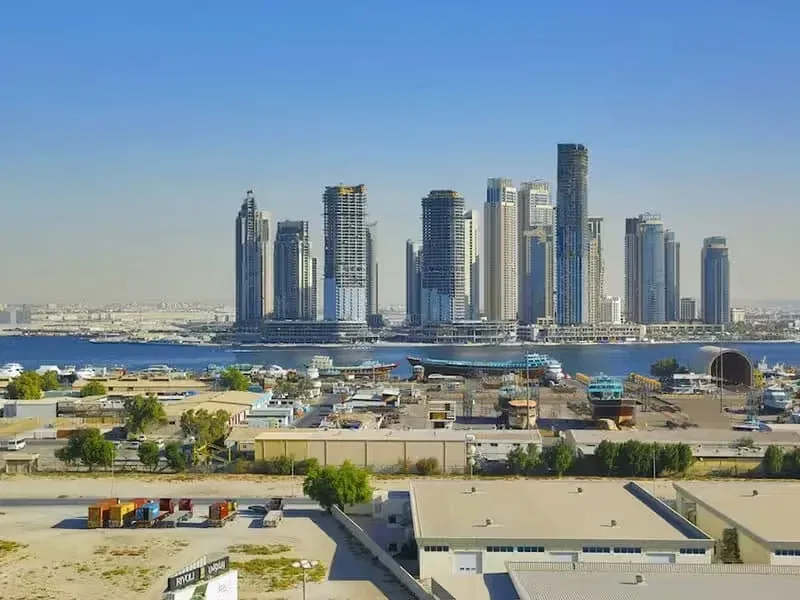
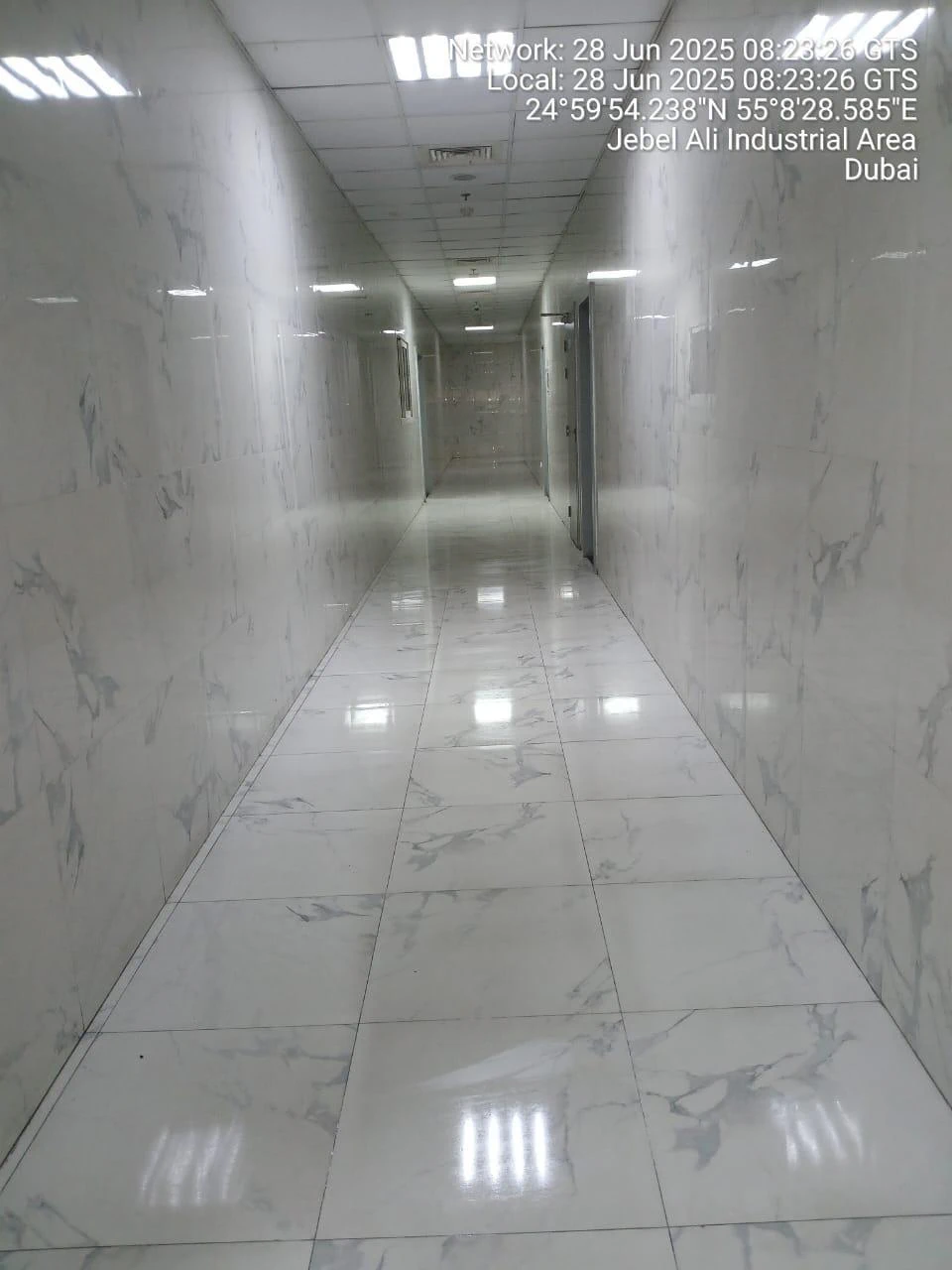
The Jebel Ali Industrial Area is one of Dubai’s most important industrial and logistics hubs. Located approximately 35 km southwest of central Dubai, it encompasses major assets including the Port of Jebel Ali — the largest artificial port in the Middle East — and the Jebel Ali Free Zone (JAFZA), which together anchor Dubai’s manufacturing, logistics, and trade activities.
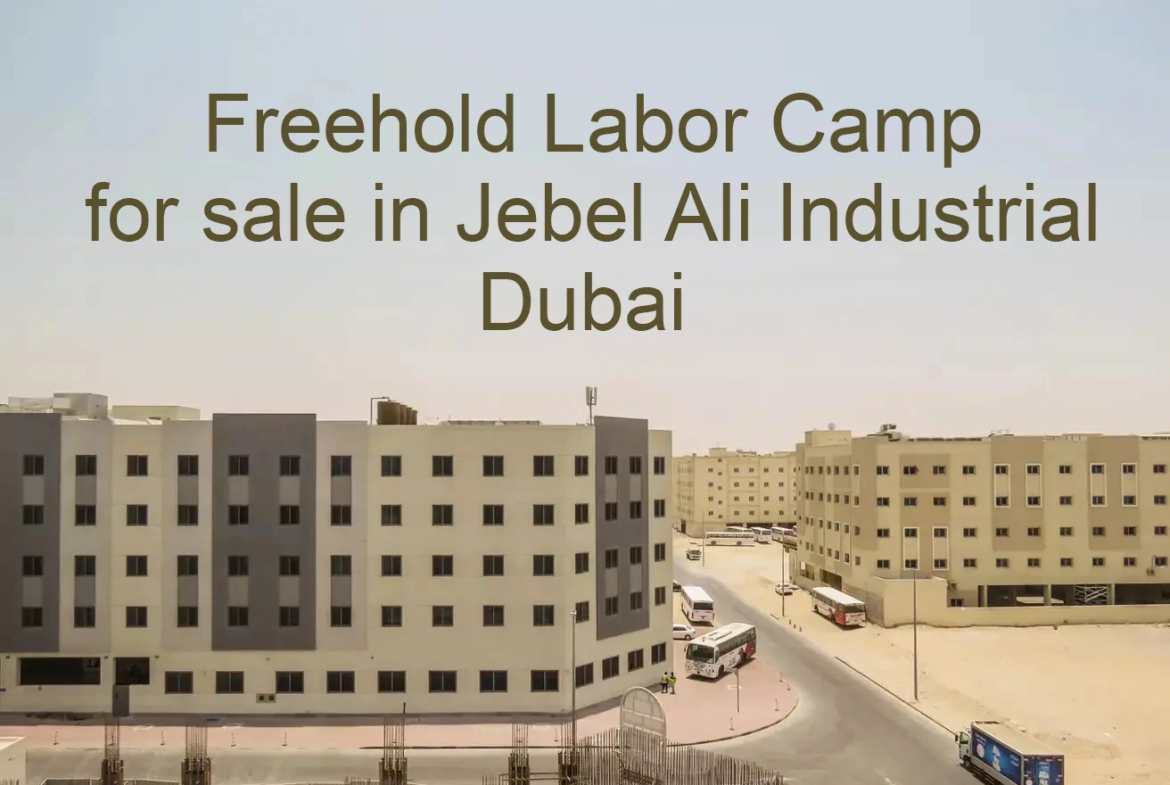
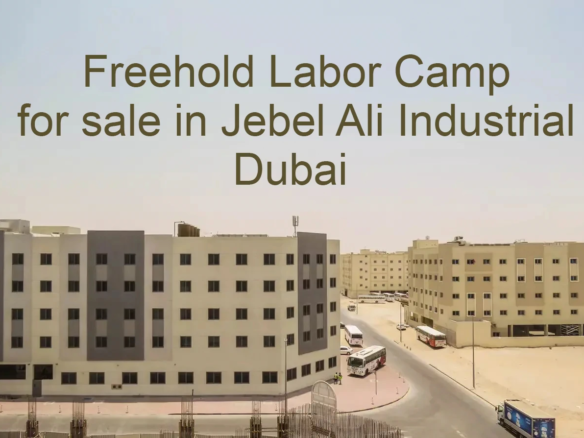
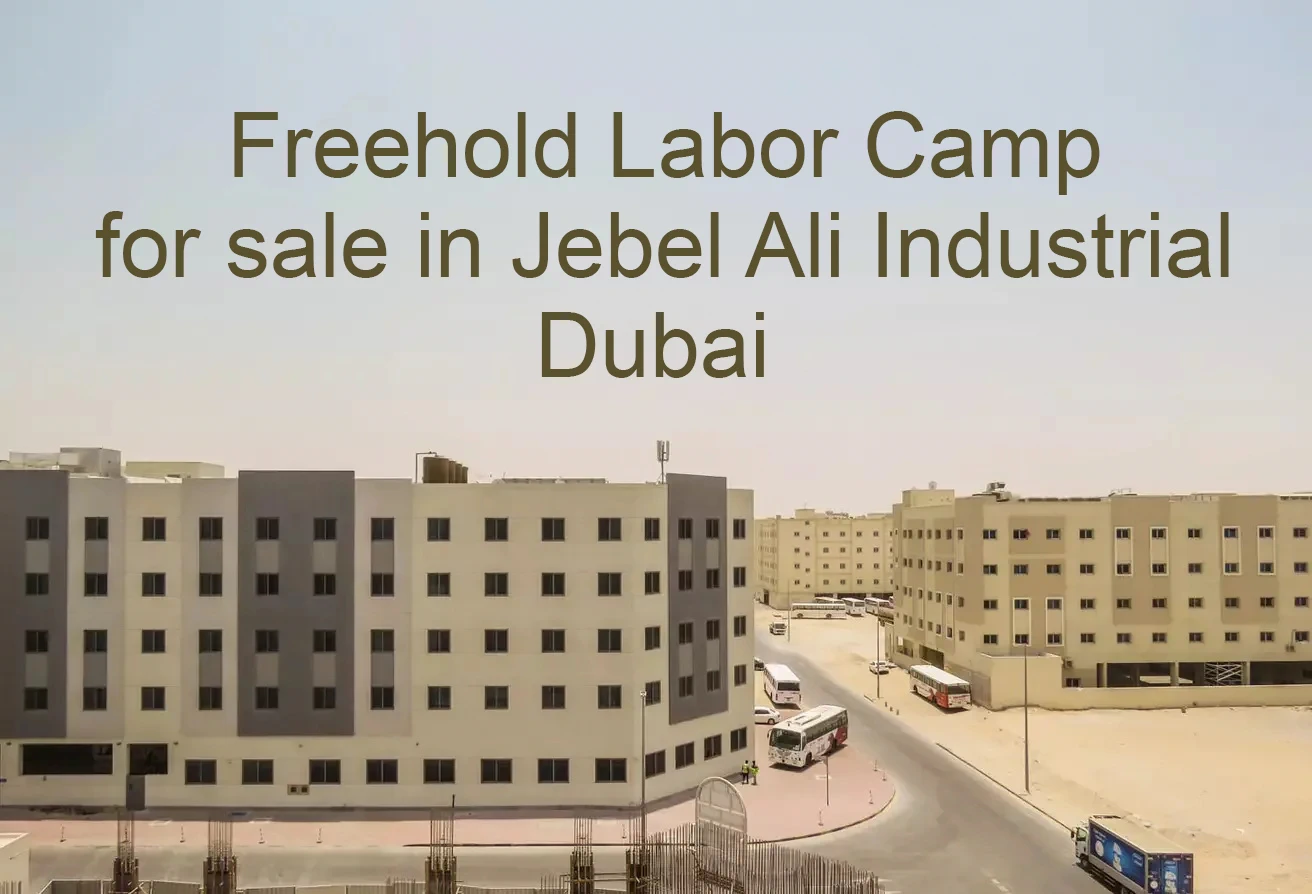
Labour camps in this region are typically clustered in areas such as Jebel Ali Industrial 1, positioned adjacent to major transport arteries like Sheikh Zayed Road (E11) and Sheikh Mohammed bin Zayed Road (E311). This connectivity provides quick access to industrial sites, logistics hubs, and residential communities elsewhere in the emirate.
- Historical and Socio-Economic Significance of Labour Camps
Purpose and Evolution
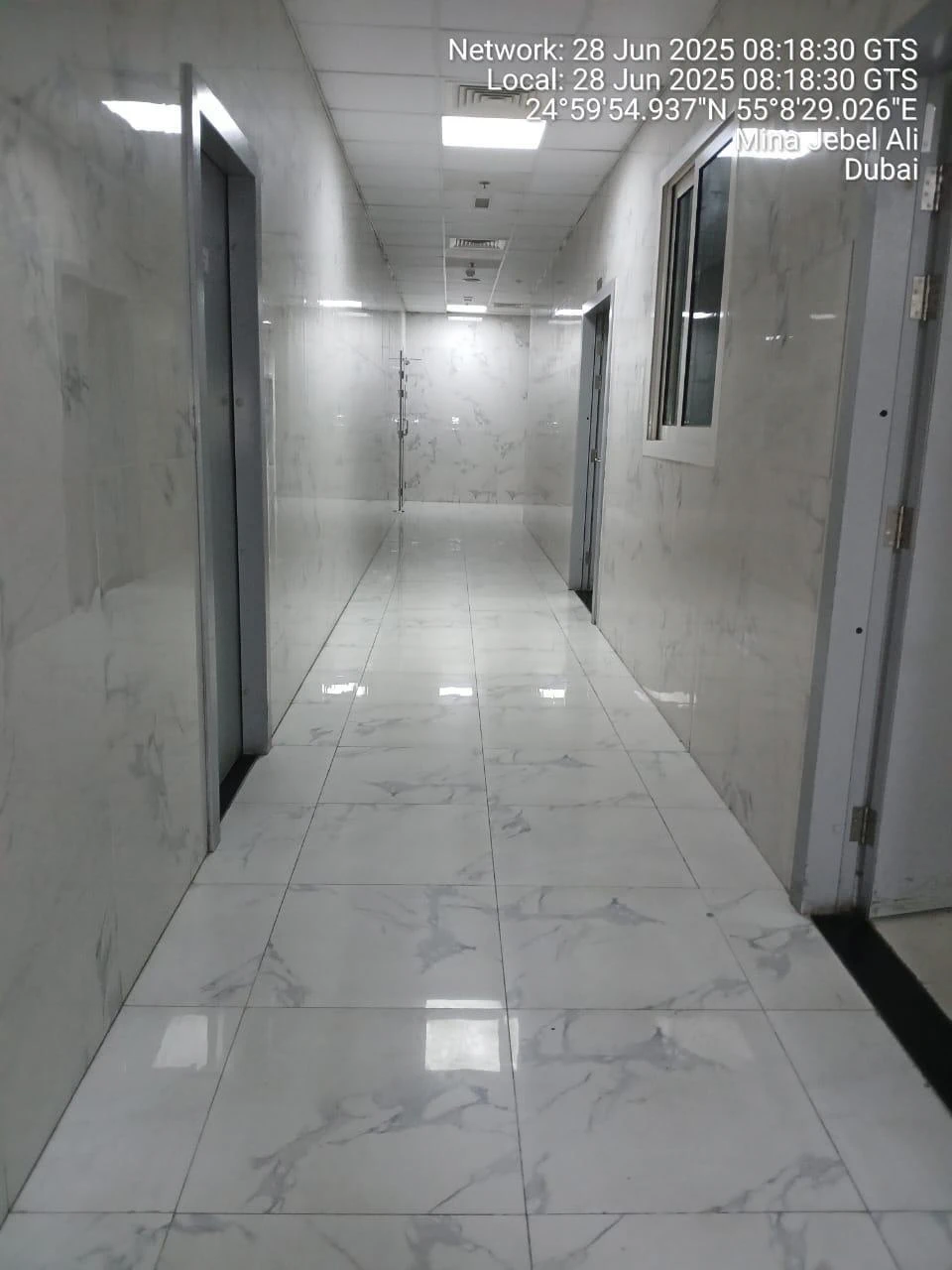
Labour camps in Jebel Ali have evolved to support the vast workforce behind Dubai’s construction, industrial, and commercial boom. From basic dormitories in earlier decades to modern planned accommodations today, these facilities provide essential housing for thousands of workers employed across JAFZA, port operations, logistics, and related sectors.
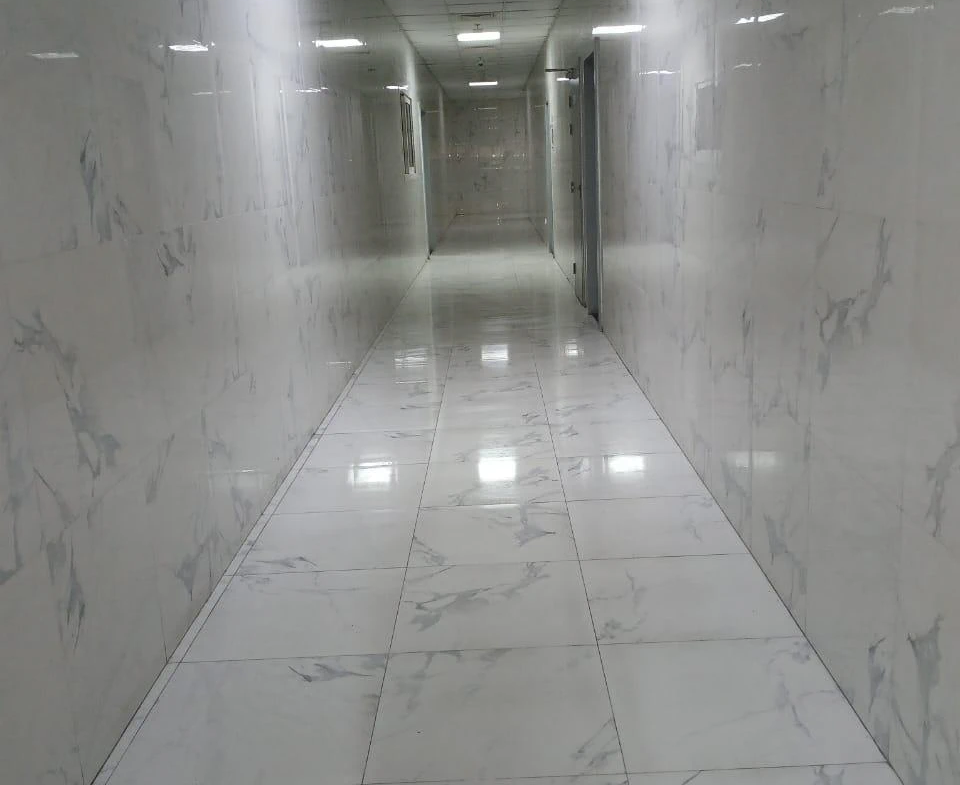
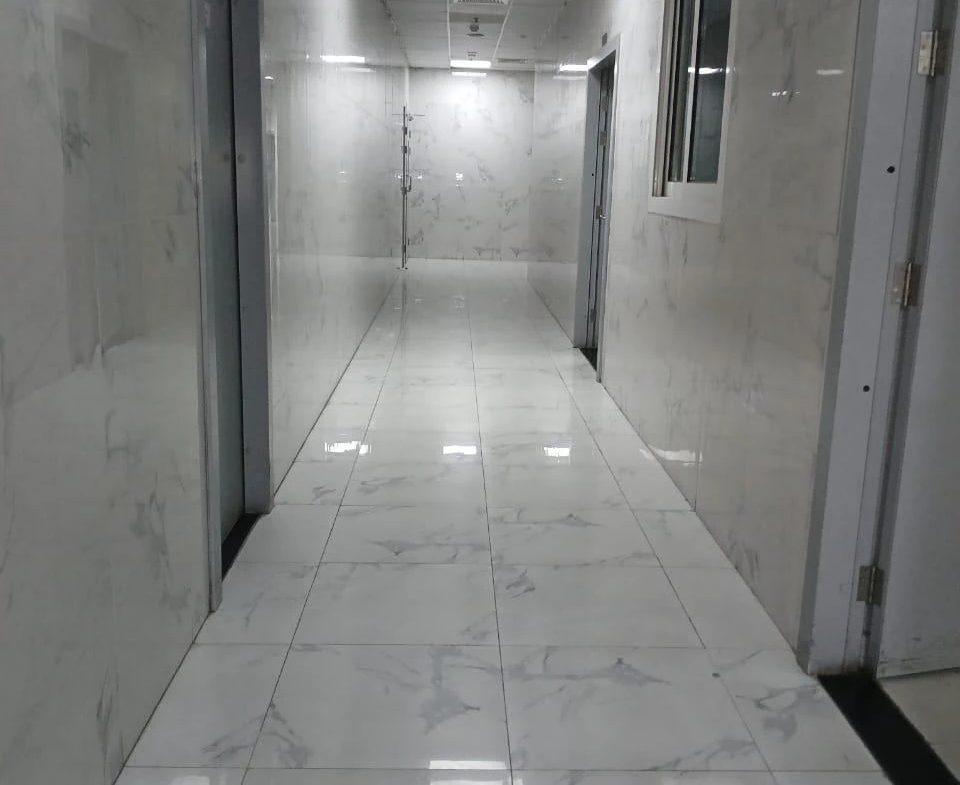
Developments such as the Nuzul labour accommodation project were specifically designed to improve quality of life for skilled workers, including amenities such as recreation spaces, retail areas, mosques and enhanced services that promote worker comfort and productivity.
Role in the Workforce Ecosystem
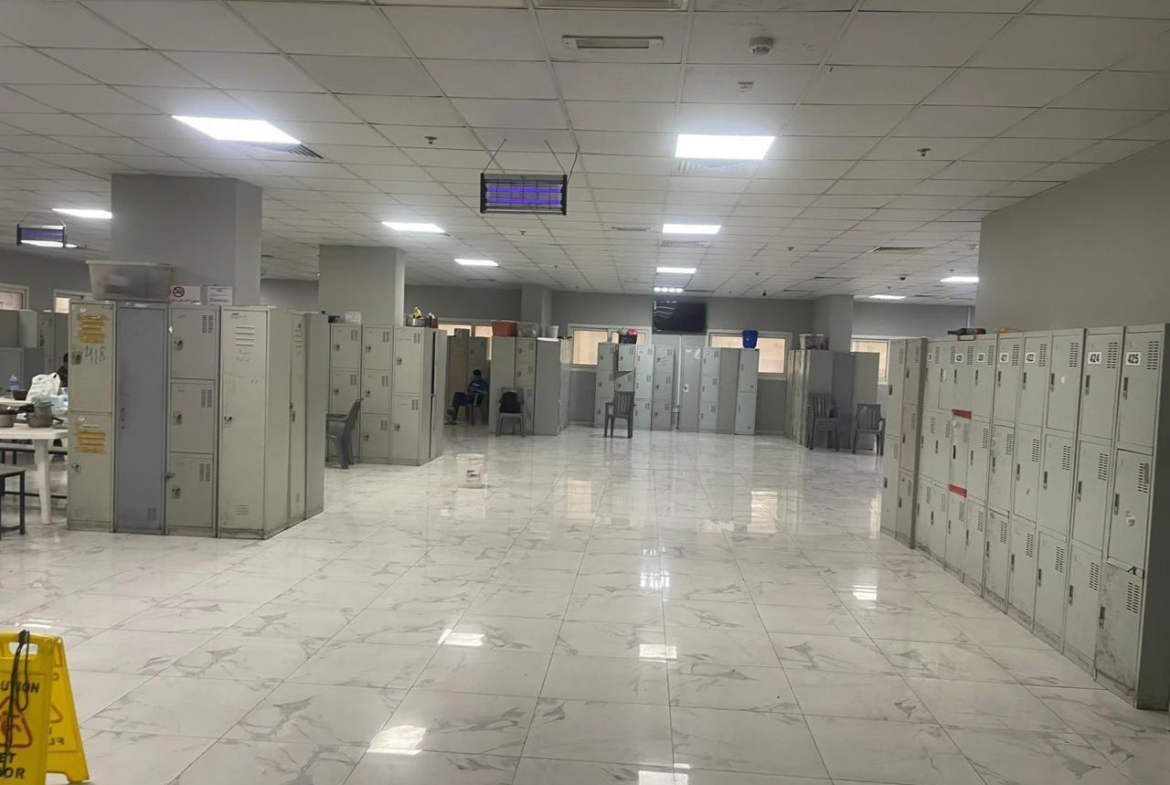
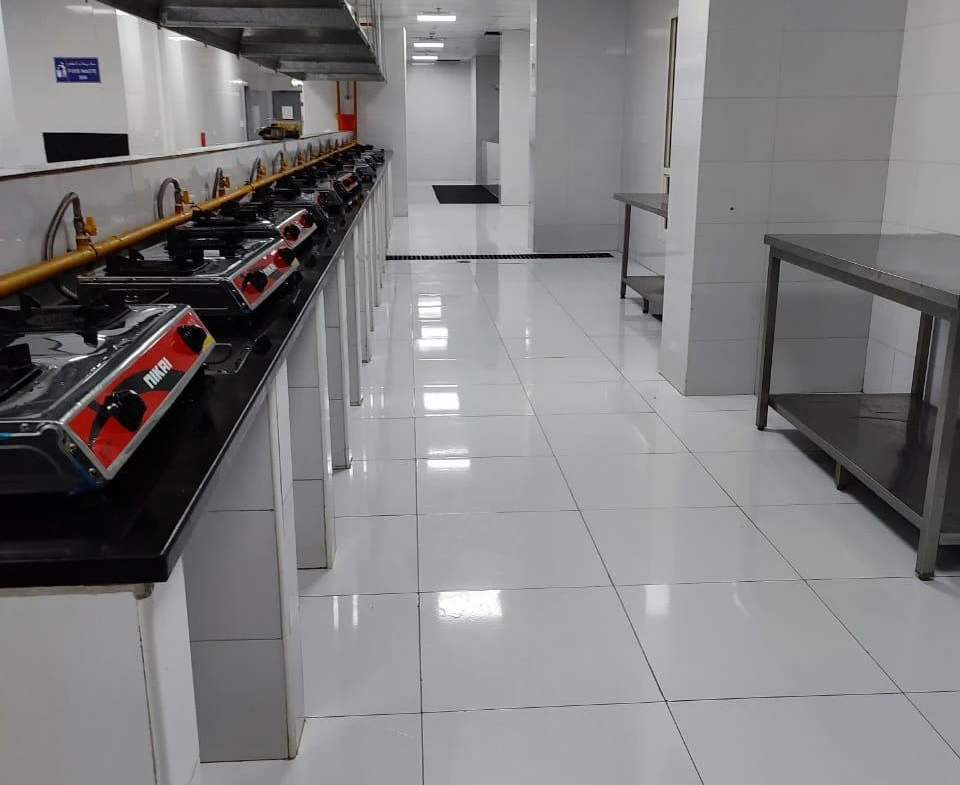
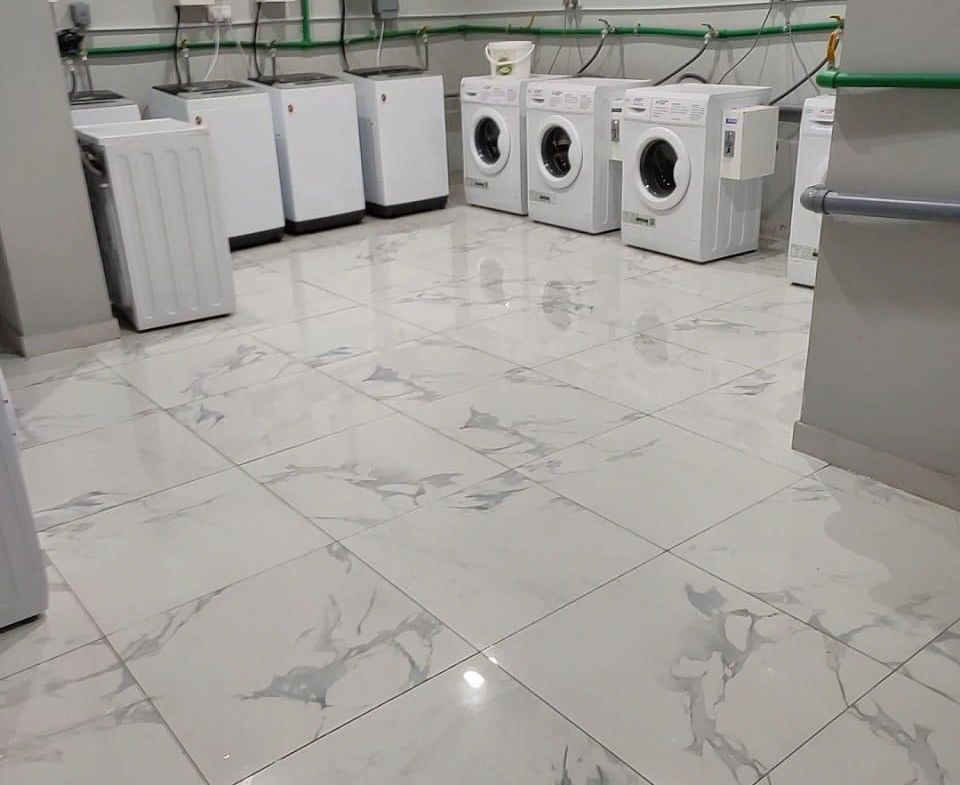
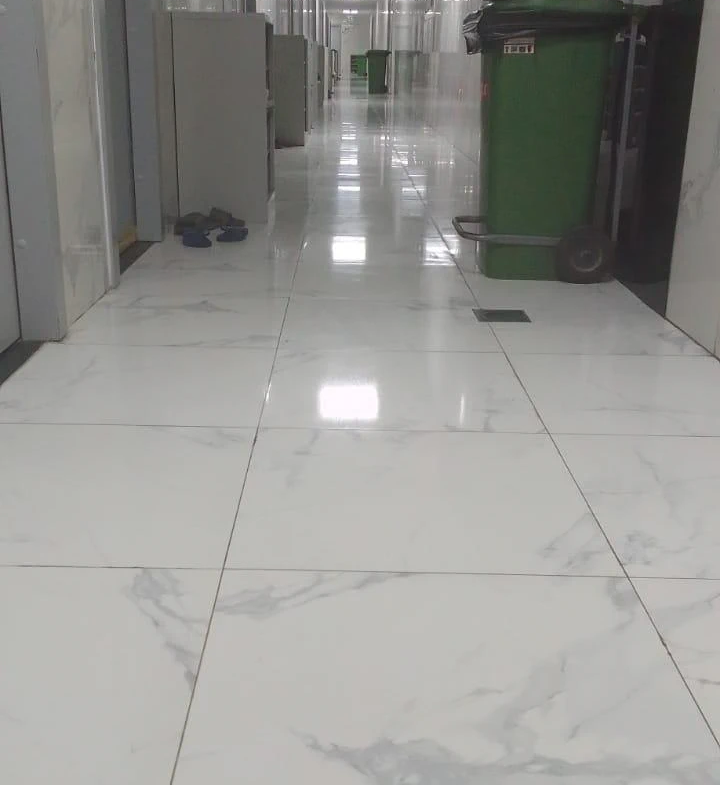
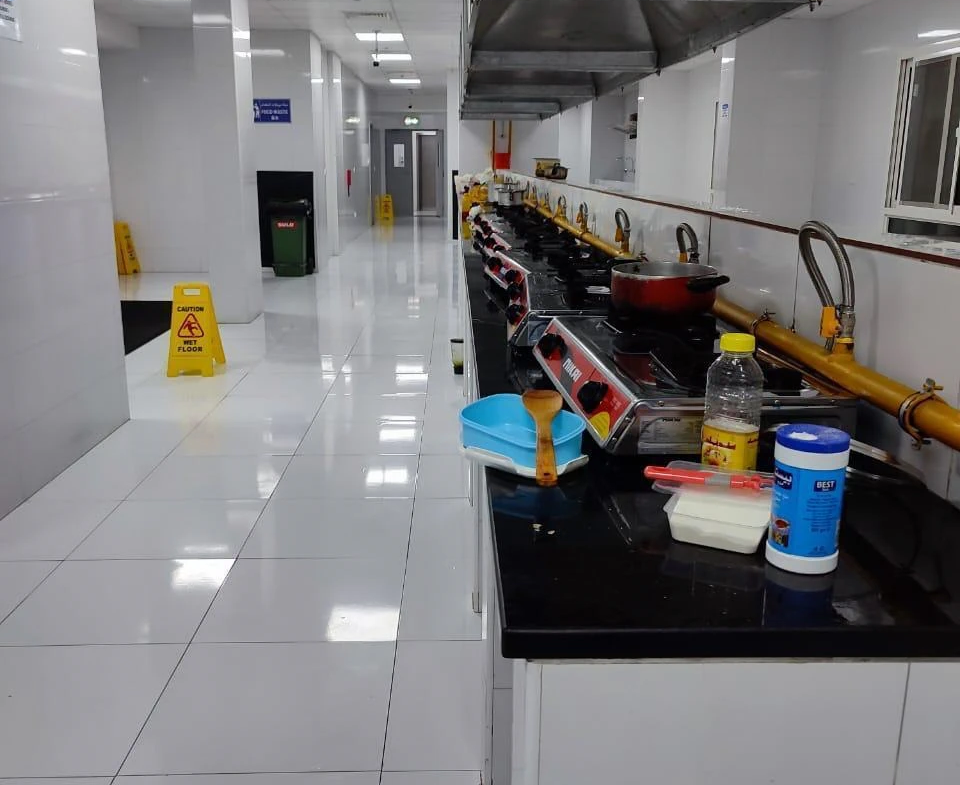
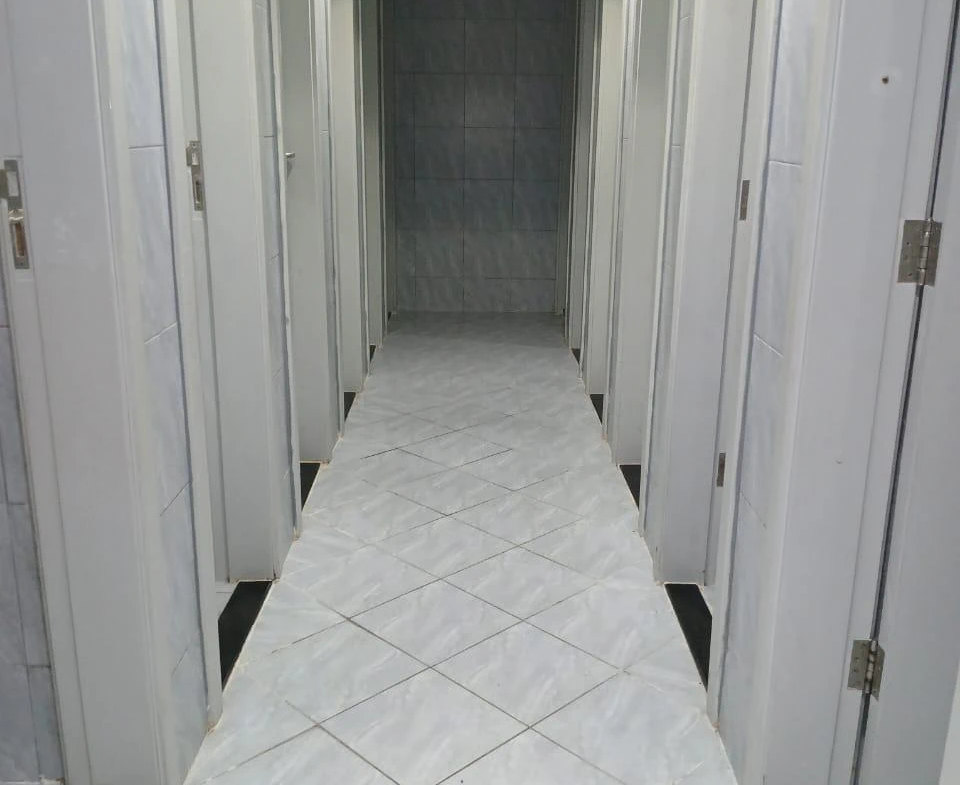
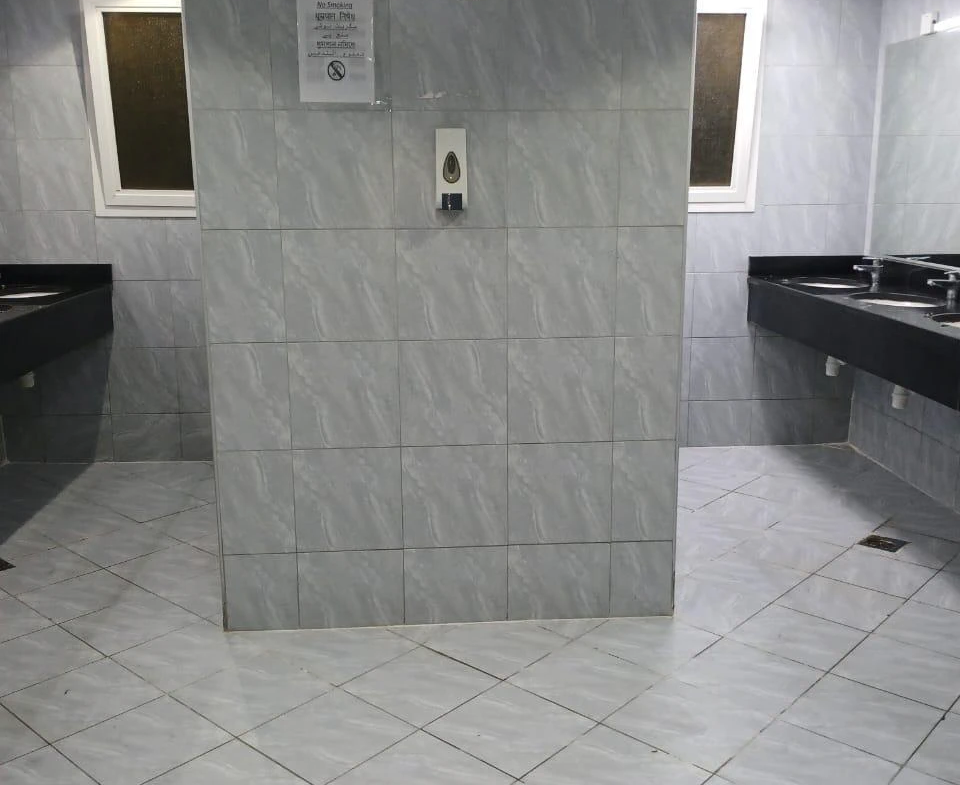
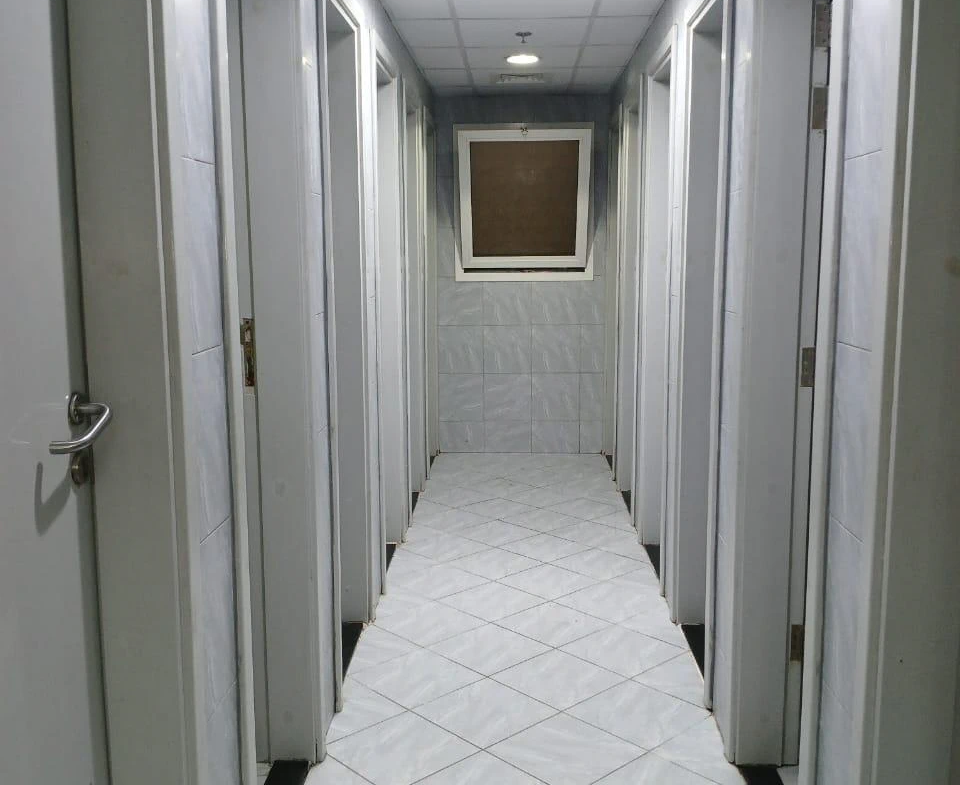
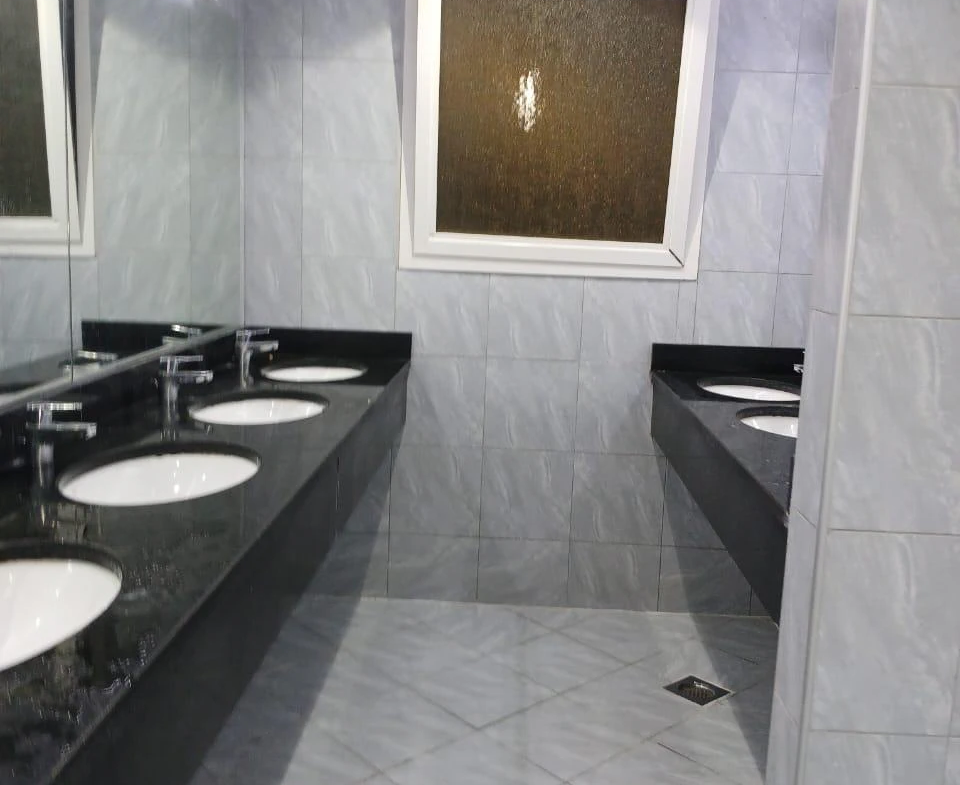
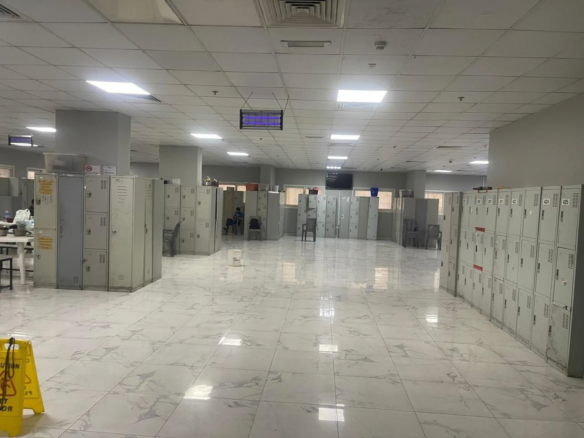
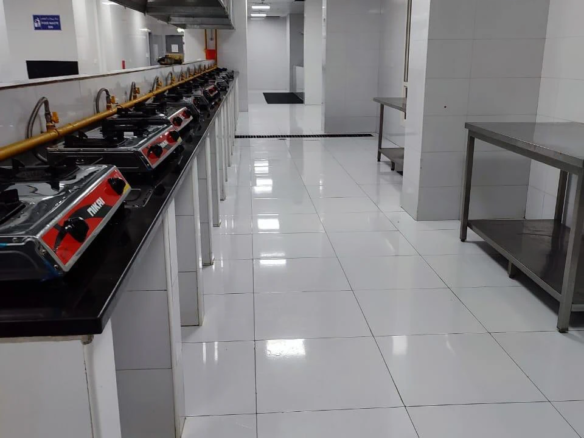
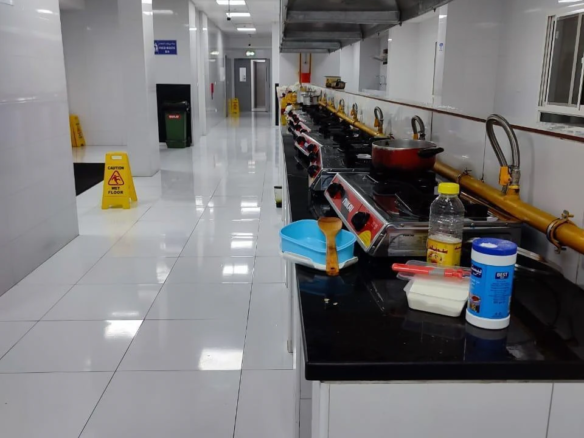
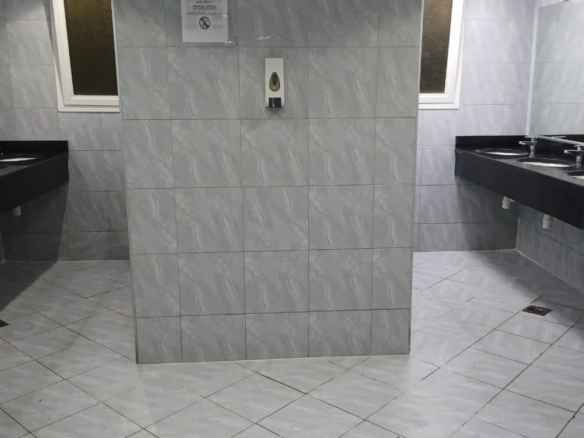
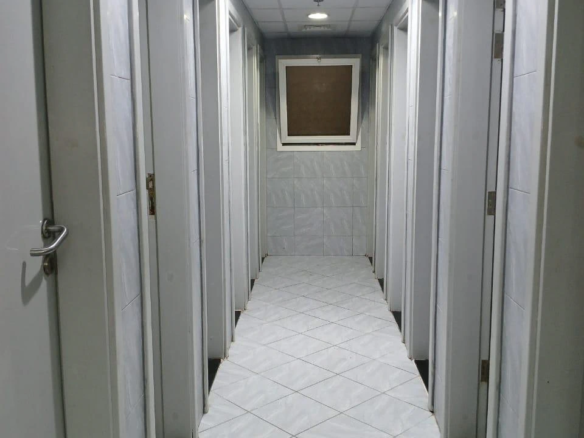
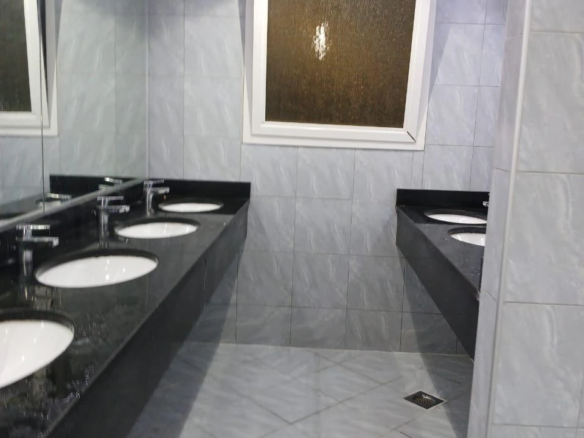
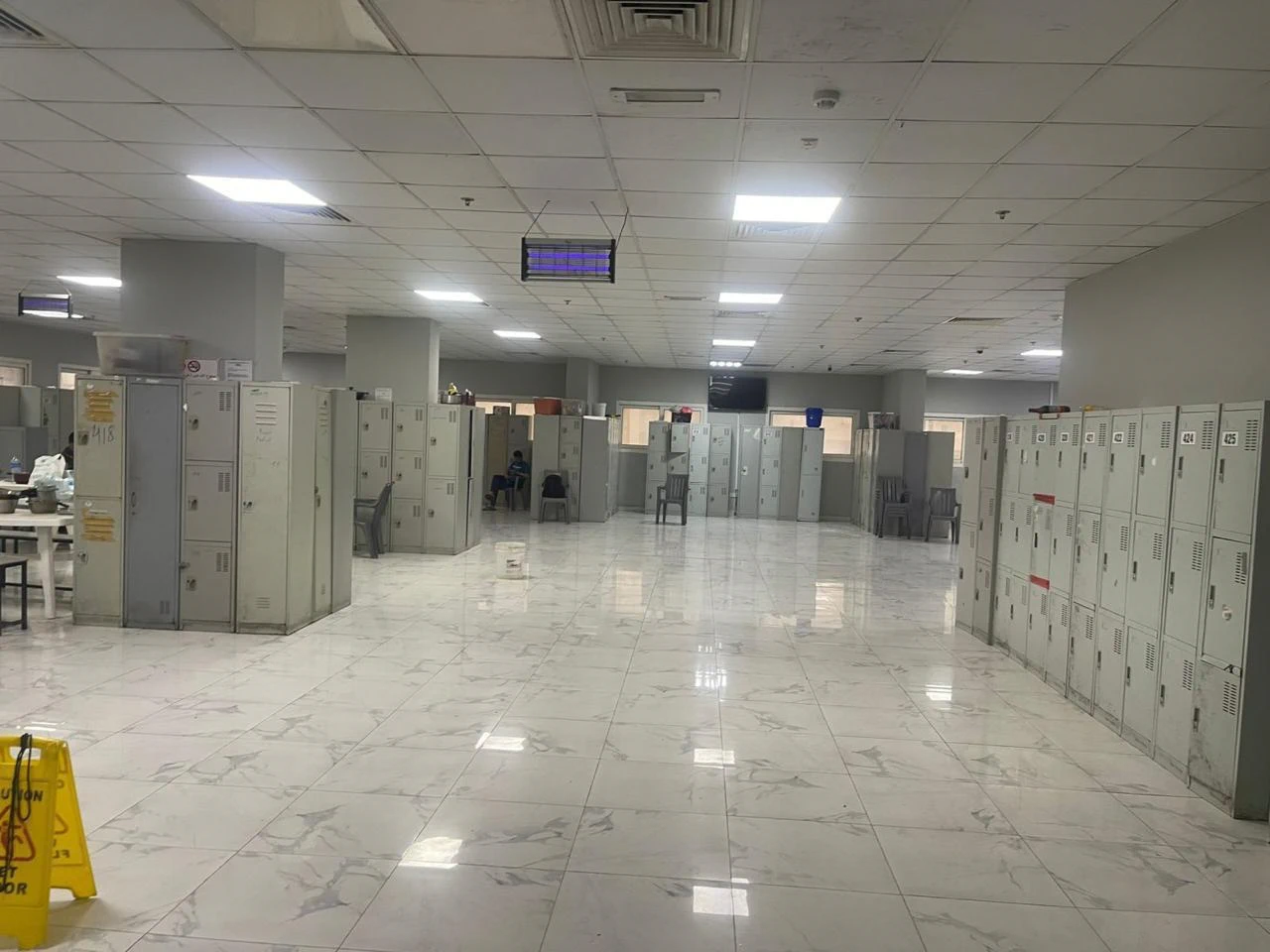
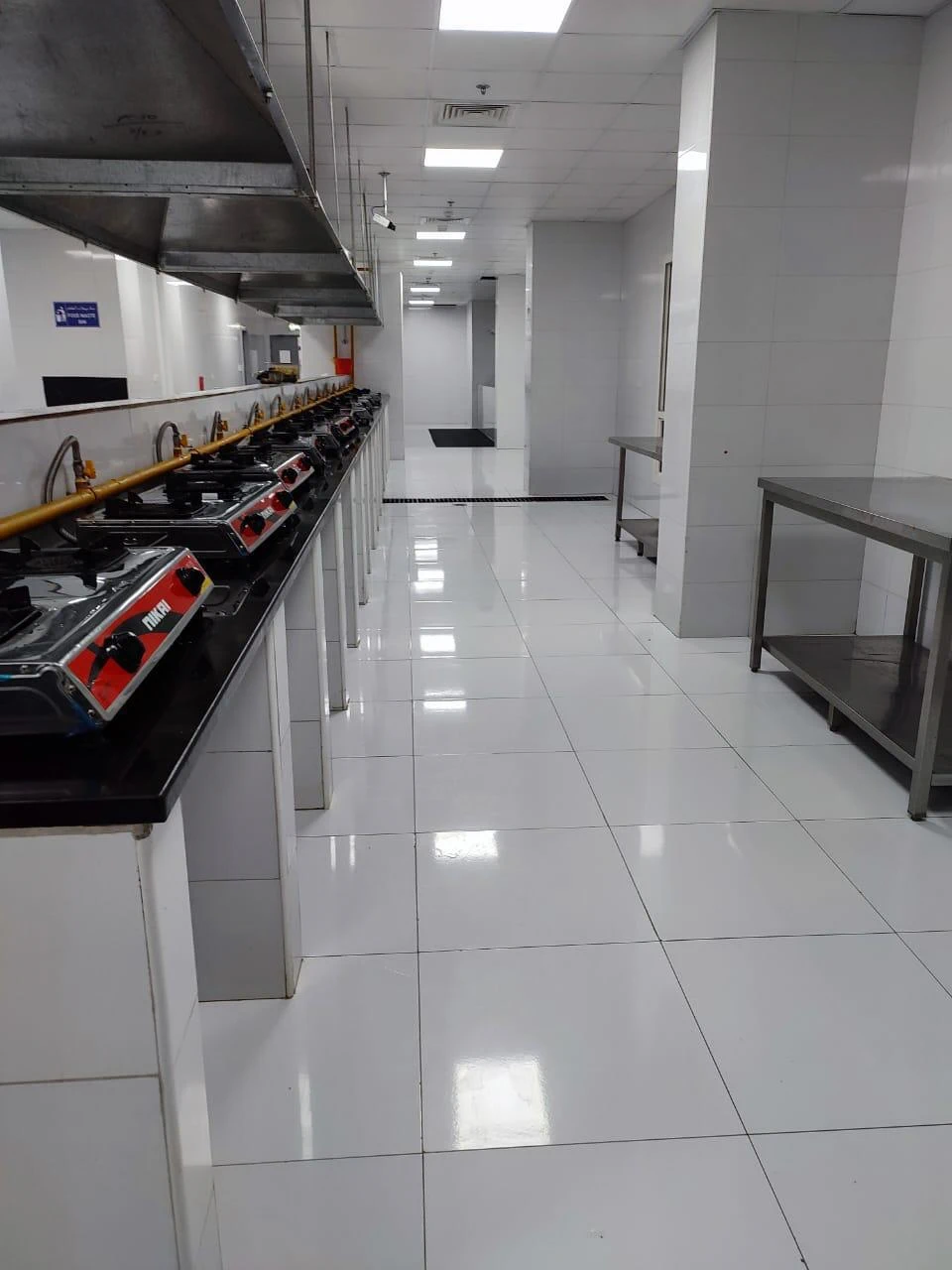
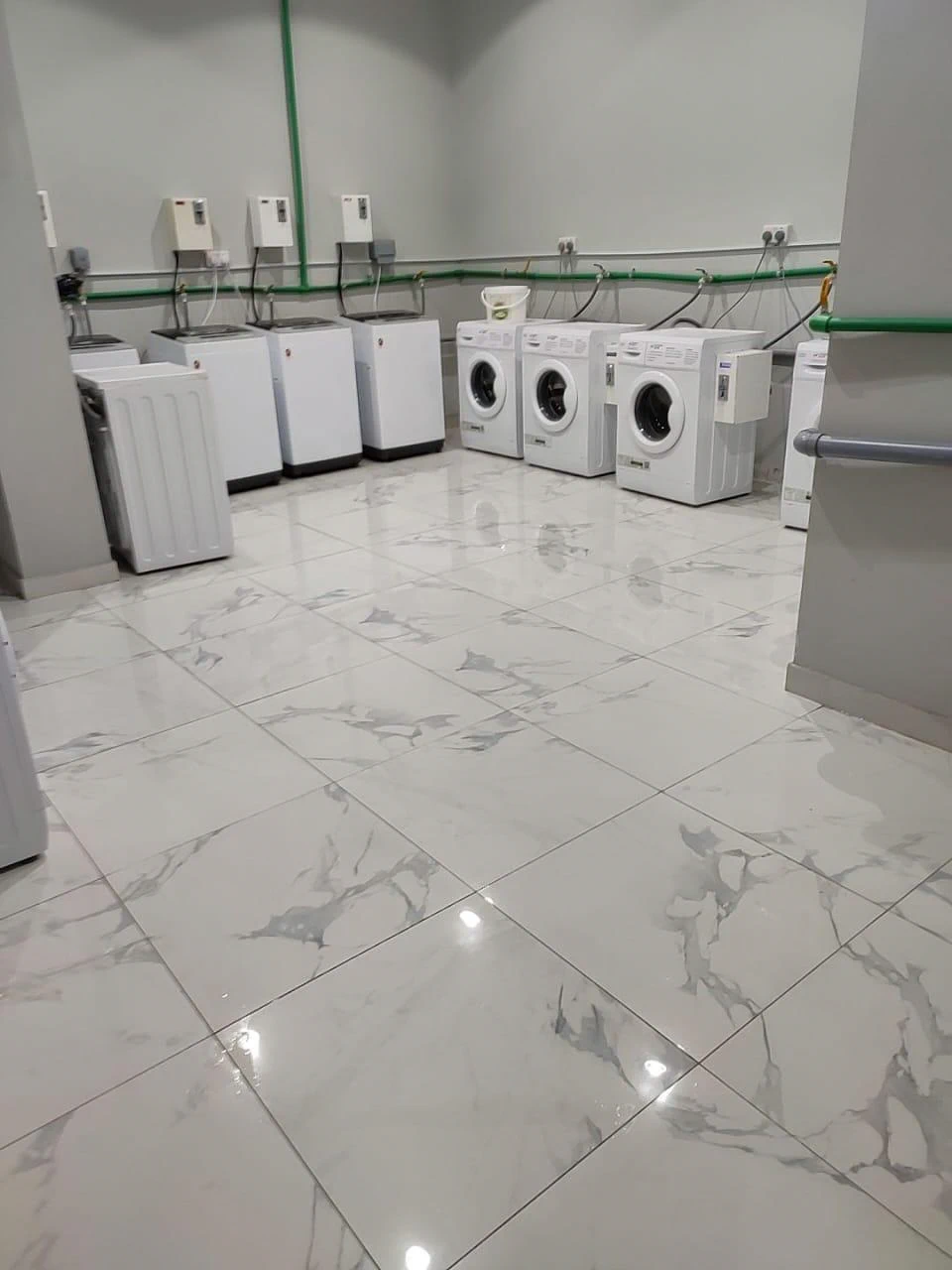
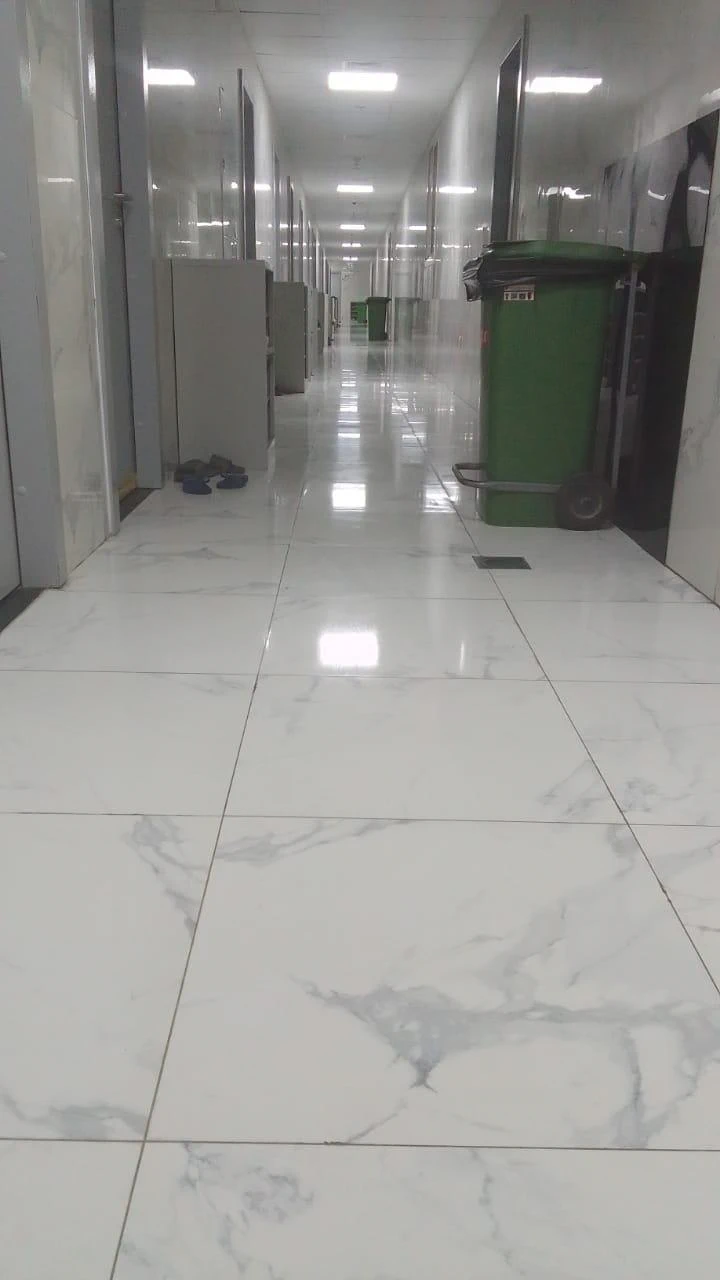
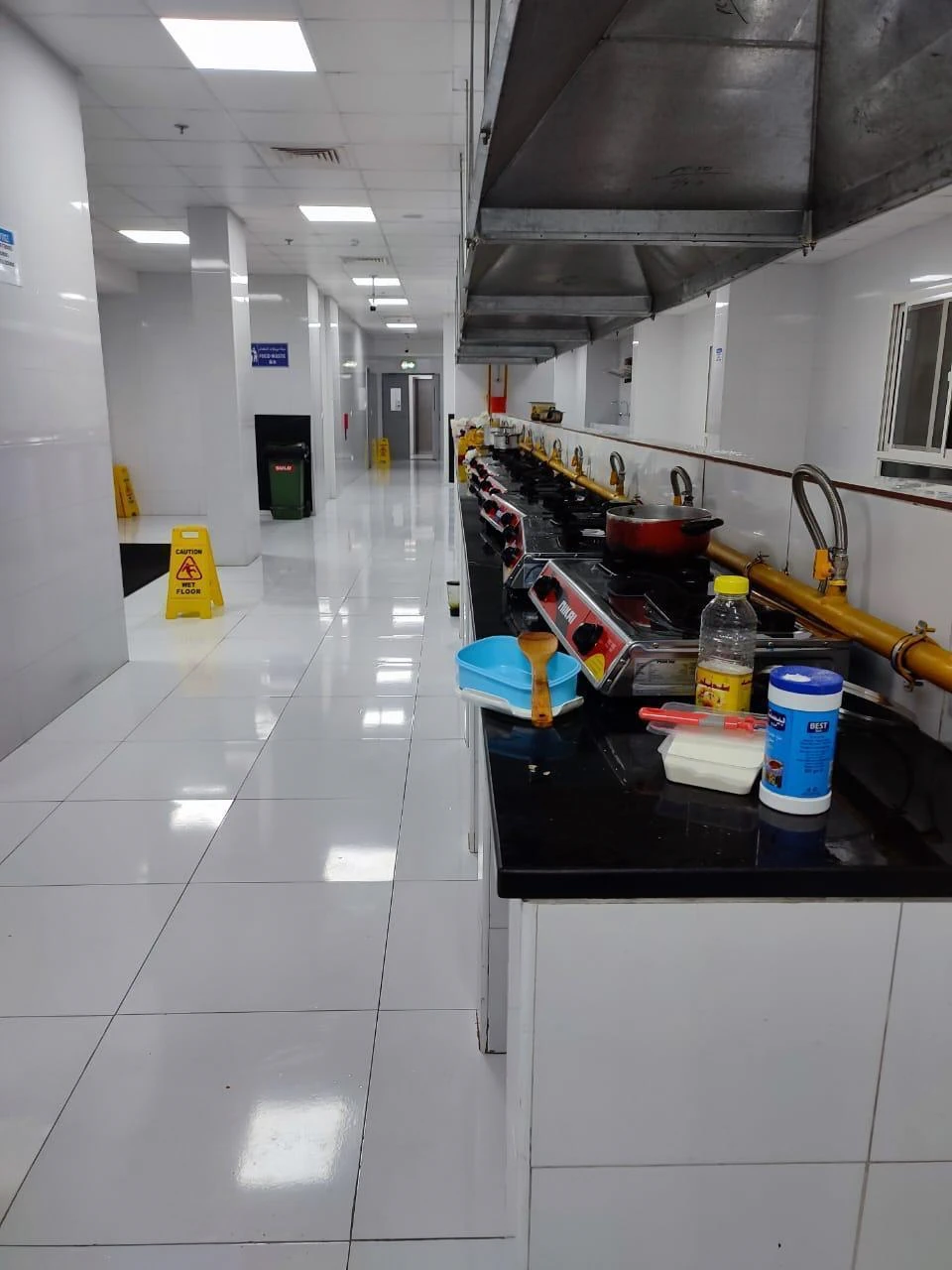
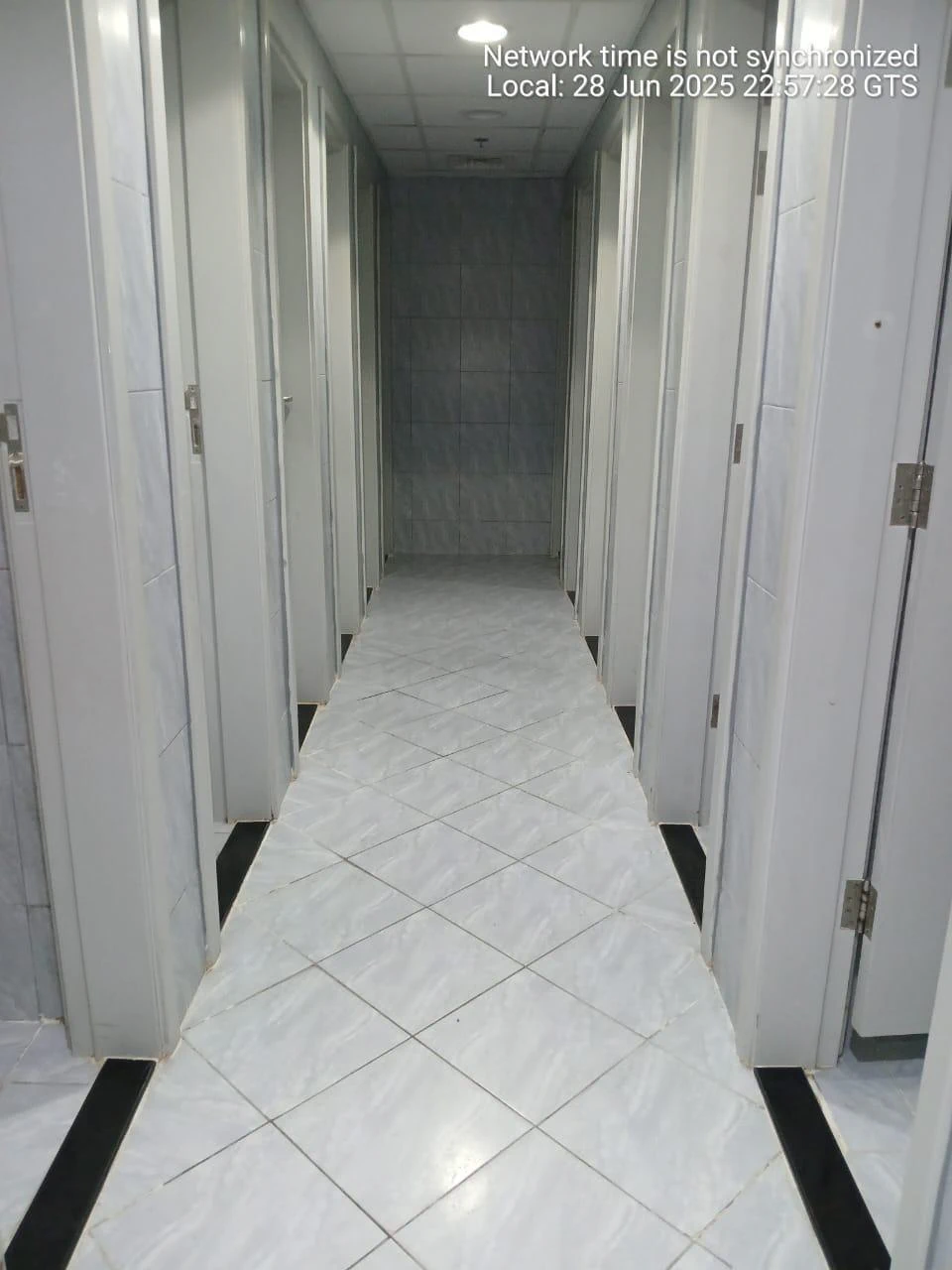
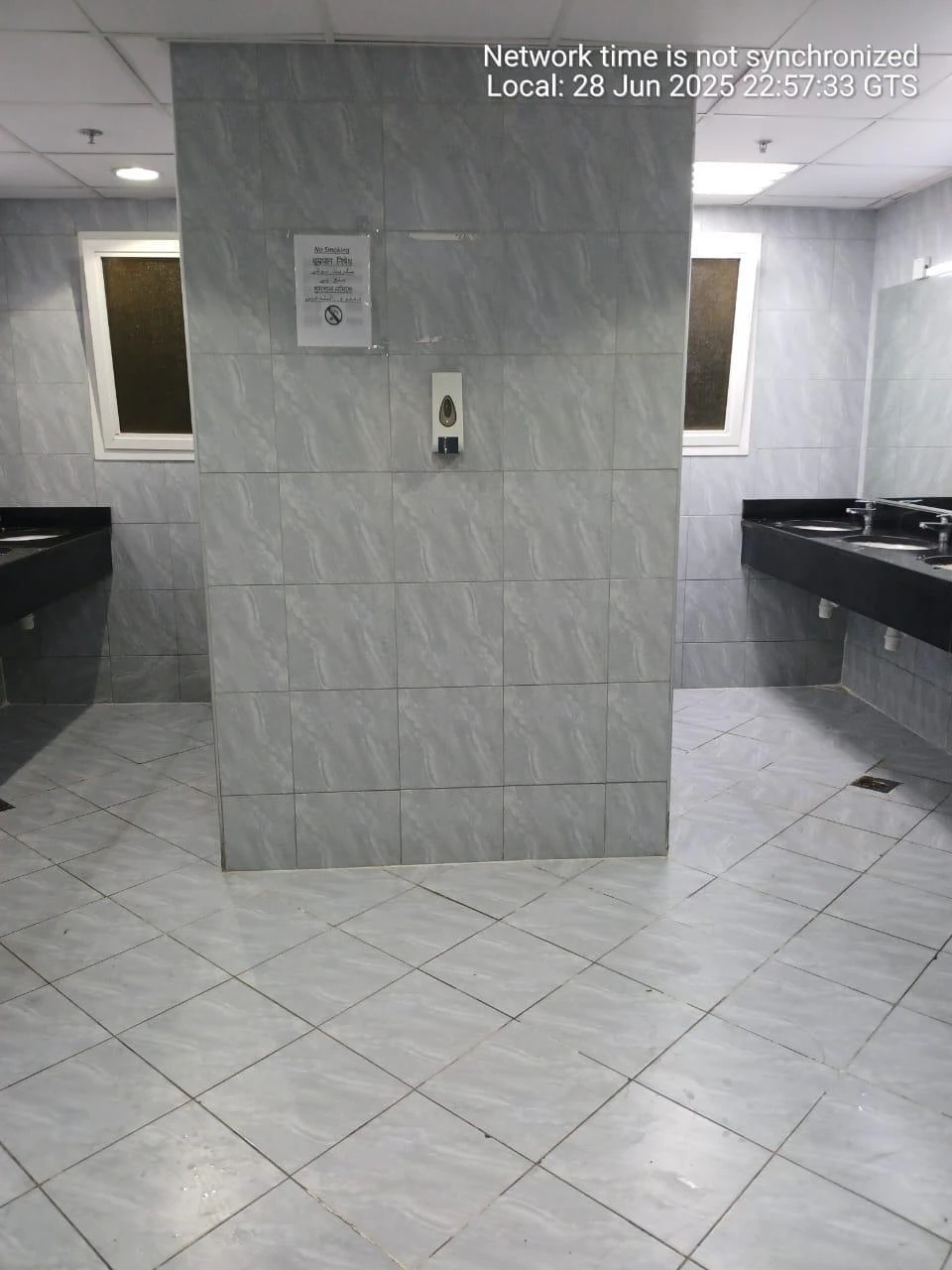
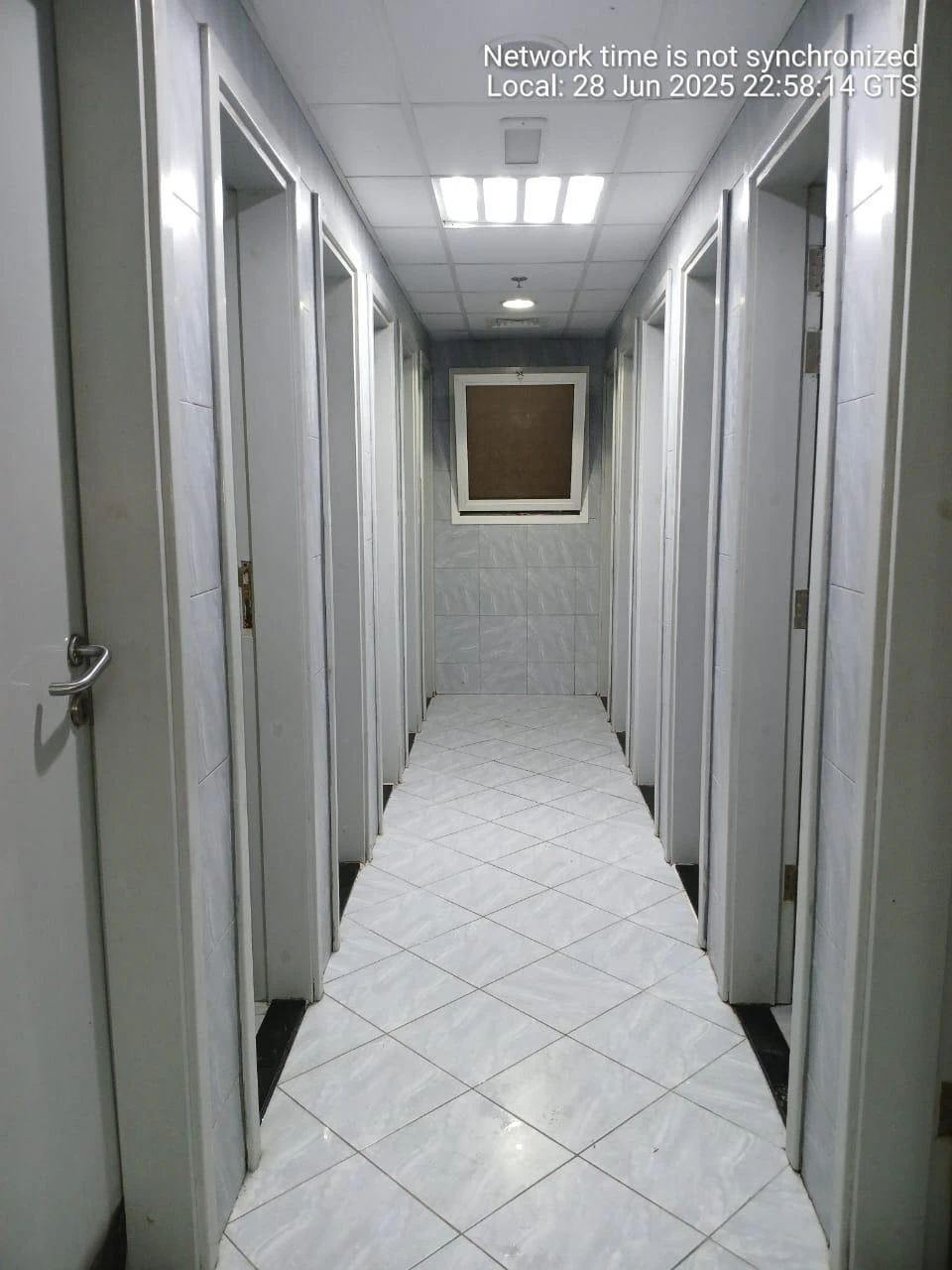
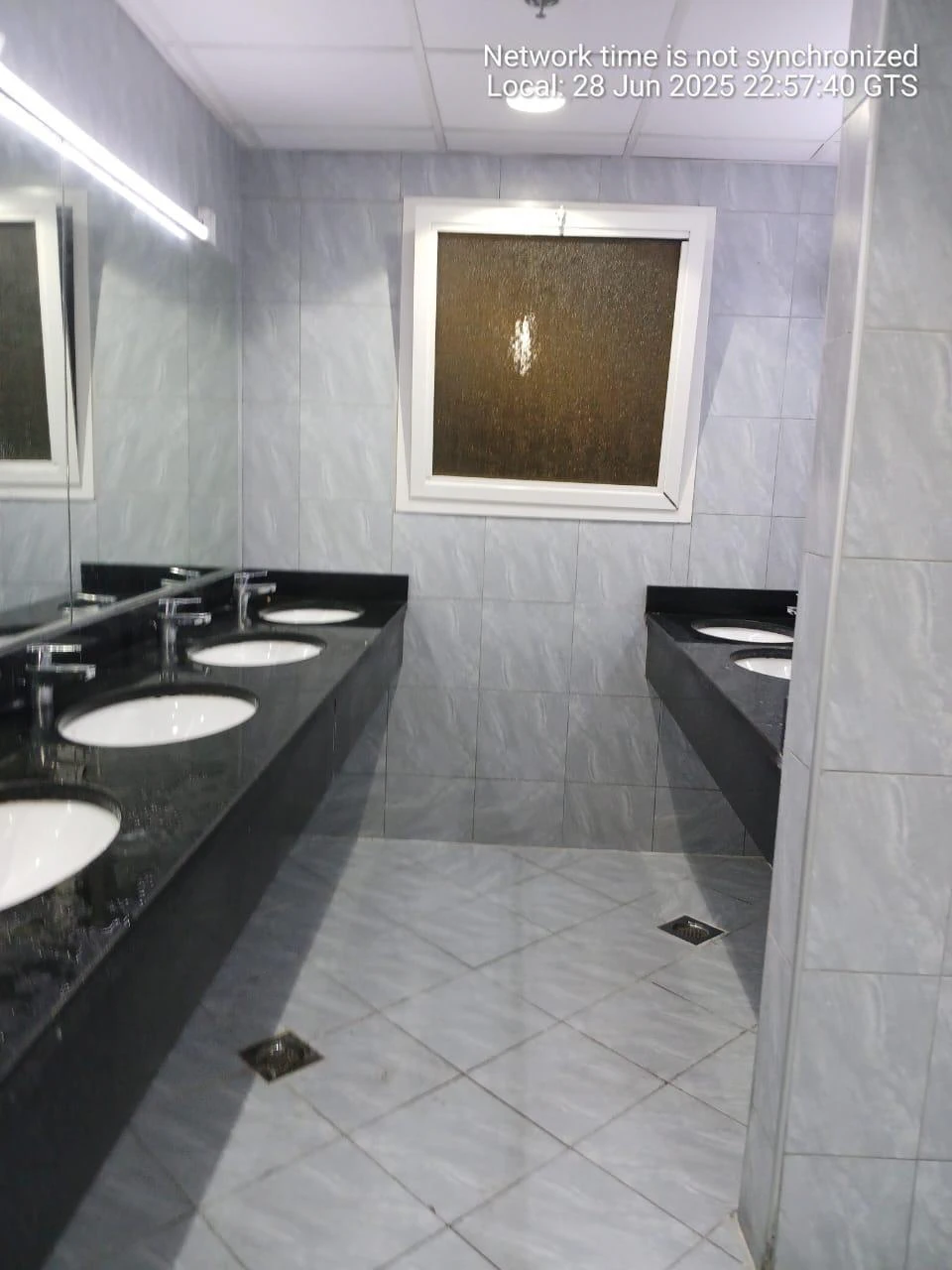
The industrial area’s labor accommodation assets allow companies to recruit and retain staff by offering nearby housing — a crucial logistical advantage given the pace of activity in manufacturing, warehousing, and heavy industry. Camps often include shared facilities like kitchens, dining halls, laundry services, prayer rooms, transport zones and 24/7 security.
- Economic and Commercial Importance
Industrial Gravity
Jebel Ali is not just residential support infrastructure — it is a commercial powerhouse. The presence of JAFZA with over 9,500 companies, zero corporate tax, and other incentives has turned the area into a magnet for multinational trade and logistics firms.
Labour camps support this economy by enabling large workforces to be housed close to their employment zones, reducing transit times and increasing productivity. They form a foundation of the industrial ecosystem by providing functional and cost-efficient housing for essential workers.
Real Estate Market Dynamics
Commercial properties in the Jebel Ali Industrial Area span warehouses, factories, logistics parks, office space, and labour accommodation. Labour camps have emerged as a distinct real estate niche with steady rental demand — particularly from corporations needing long-term staff housing solutions.
Typical investments in Jebel Ali labour camps see strong fundamentals:
- Multi-story G+4 buildings with hundreds of beds
- Stable occupancy from businesses and corporate leases
- Rental yields that can remain robust due to ongoing demand for workforce housing
Real estate portals often show various labour accommodation properties for sale or lease, with plot areas ranging from around 20,000 to over 40,000 sq ft, and accommodation capacities from a few hundred up to several thousand workers.
- Tourism and Urban Context
Proximity to Major Hubs
Although the Industrial Area itself isn’t a tourism destination, its proximity to Expo City Dubai — the legacy site of Expo 2020 — adds urban vibrancy and connectivity to tourism corridors.
Tourists don’t typically visit labour camps, yet the area’s positioning near Dubai South, Expo City, and aligned infrastructure (airports, metro, highways) contributes to a broader multi-use ecosystem that includes residential, commercial, industrial and leisure uses within reach.
- Investment Significance
Stable Yield and Demand
Labour camp investments in Jebel Ali have become notable for their stability. Unlike speculative residential property segments, labour accommodations are tied to structural demand from businesses, not end-user sentiment alone. This makes leases and rentals predictable, reducing vacancy risk and supporting consistent revenue.
Investors interested in this segment benefit from:
- Long-term occupancy through corporate or government contracts, often spanning multiple years
- Freehold or long-lease property models with capacity for expansion or redevelopment
- Strategic location close to employment hubs, boosting leasing demand
Development and Redevelopment Opportunities
Plots with approved land use for labour accommodation continue to be marketed, often with permissible building heights of G+4. These development opportunities attract both local and international investors seeking diversified exposure to Dubai’s industrial real estate market.
- Future Trends and Real Estate Development Prospects
Industrial Growth and Infrastructure Expansion
Dubai’s continued push toward becoming a global logistics, manufacturing, and trade hub positions Jebel Ali as a strategic focal point for future growth. Investments in port infrastructure, improved transport links, and further expansion of JAFZA will likely translate into increased demand for employee housing.
Integration with Regional Economic Plans
Integration with broader economic strategies — such as connections to Abu Dhabi and northern emirates via major highways, and synergy with Dubai South’s growth — may catalyze redevelopment opportunities. Mixed-use developments, including logistic-residential hybrids, are potential future paths beyond traditional labour accommodation.
Evolving Accommodation Standards
The UAE’s labour regulations and quality-of-life initiatives continue to push for improved living standards, which means future labour camp projects are likely to incorporate better amenities, health and safety infrastructure, and community-centric designs — aligning worker welfare with urban planning norms.
Conclusion
Labour camps in the Jebel Ali Industrial Area represent a critical but often overlooked segment of Dubai’s real estate landscape. They support the city’s industrial engine by housing essential workers, offer consistent commercial returns for investors, and stand at the intersection of economic function and urban infrastructure. Given Dubai’s long-term growth trajectory — anchored by trade, logistics, and diversified development — this niche market is poised for stable, sustained relevance in the coming years.