Touristic importance
Beaches & waterfront leisure
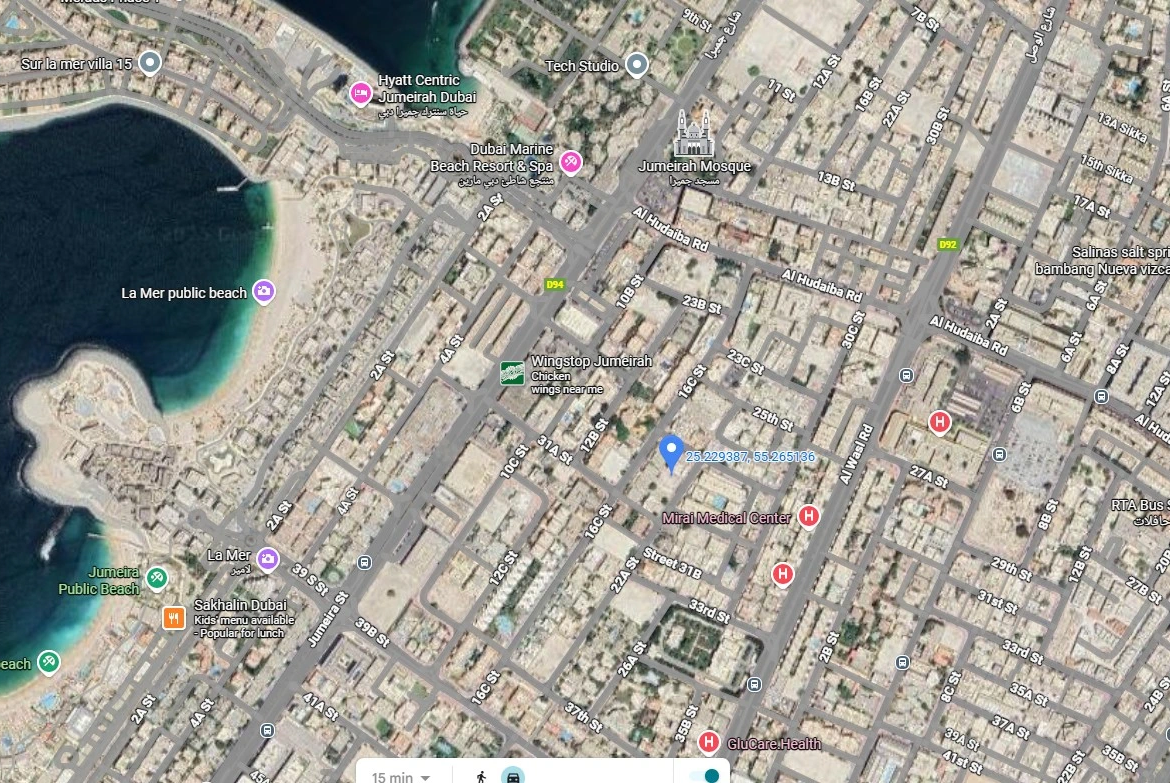
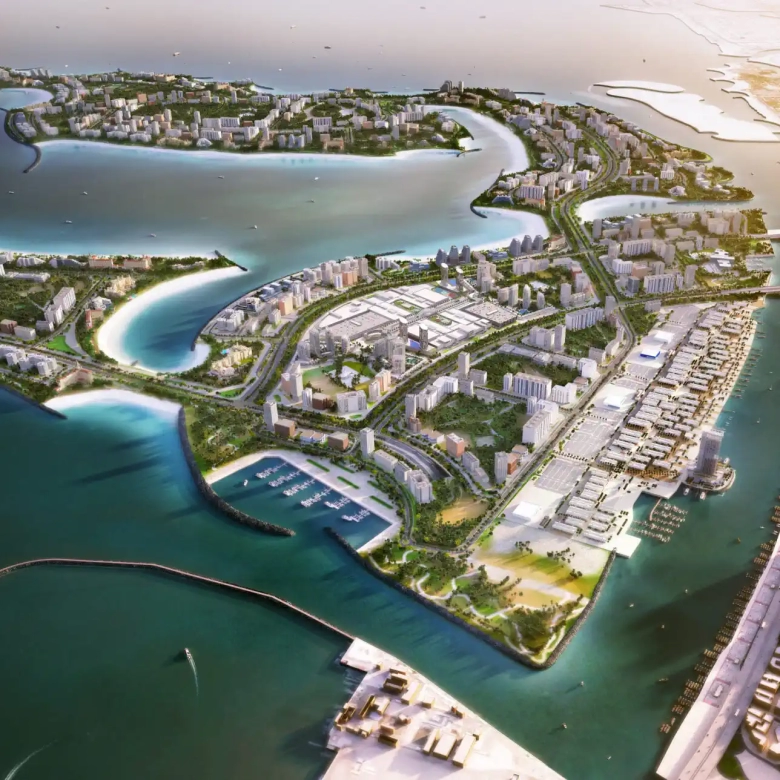
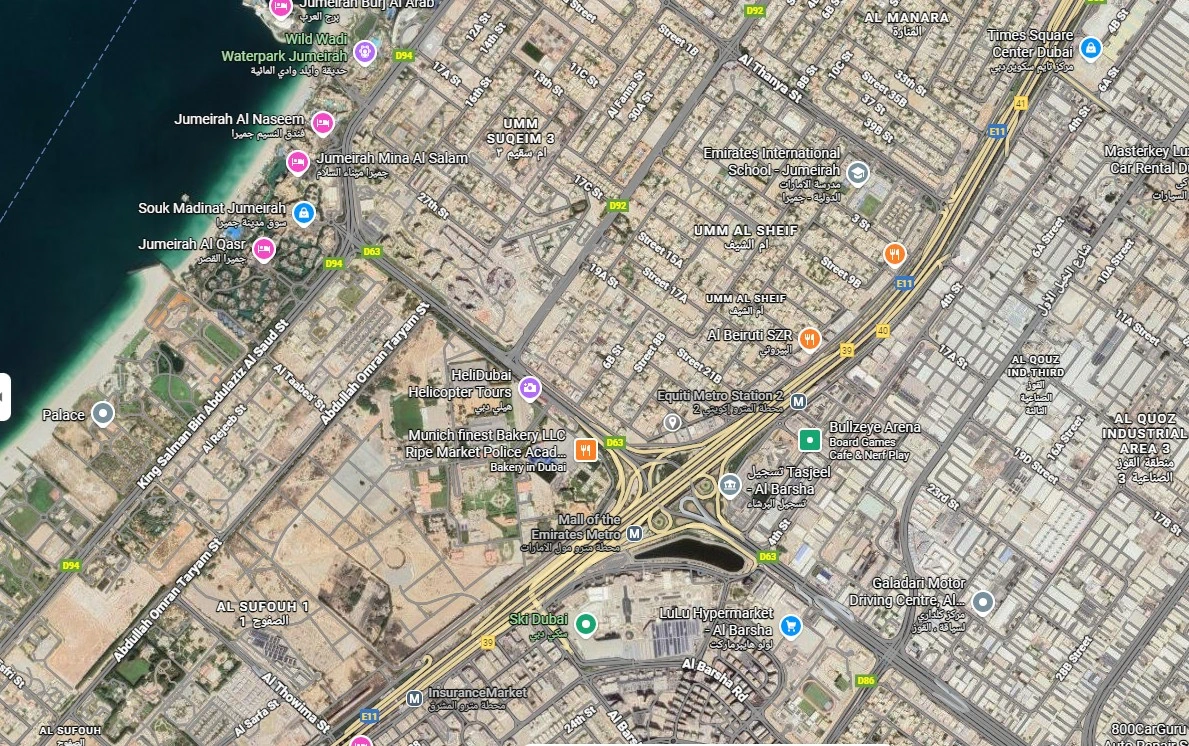
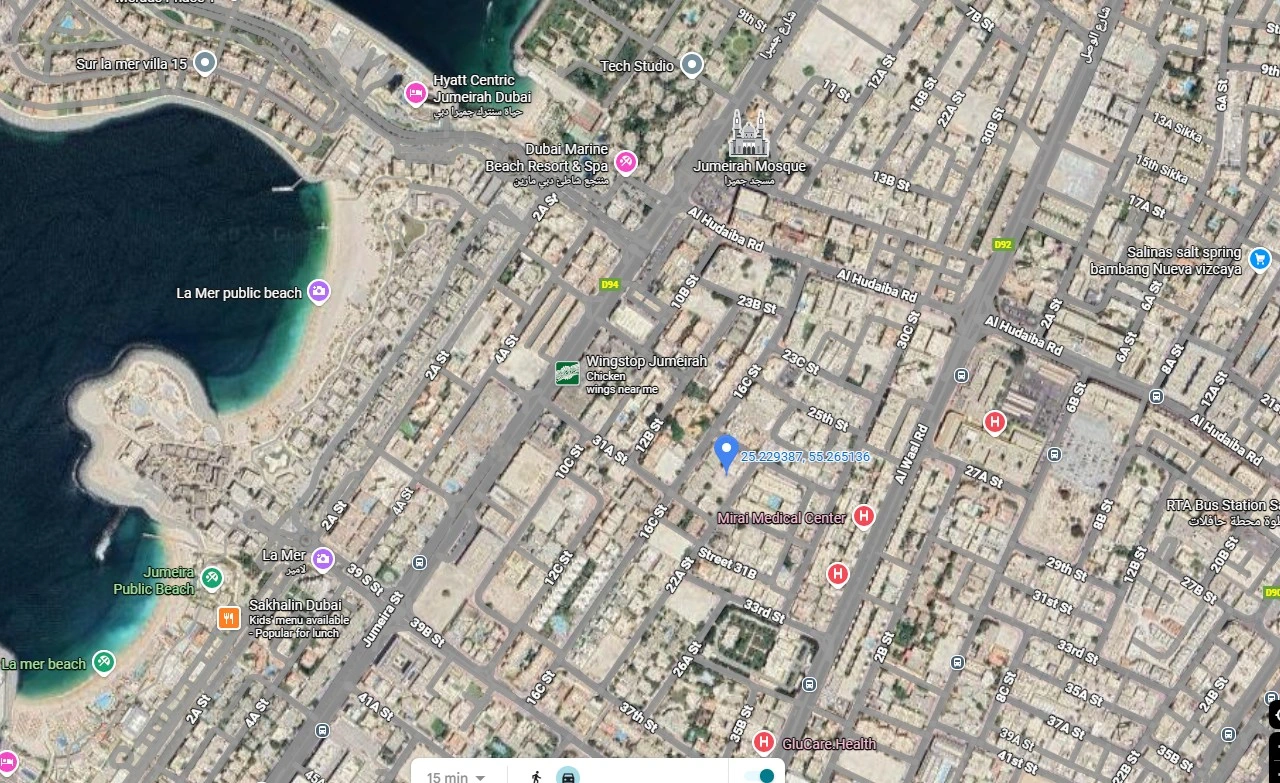
Jumeirah 1 gives immediate access to some of Dubai’s best-known public beaches (Jumeirah Public Beach, Sunset Beach and nearby Kite Beach), plus newer curated beachfront destinations such as La Mer and luxury beach clubs that draw both residents and inbound tourists year-round. The beachfront character is a major magnet for holidaymakers seeking sun, water sports and iconic views (e.g., Burj Al Arab on the skyline).
Cultural landmarks
The Jumeirah Mosque — open to non-Muslim visitors as part of Dubai’s cultural outreach programs — is a signature attraction in the area, popular with cultural tourists and guided tour groups. This creates steady daytime footfall and supports hospitality and retail around the mosque precinct.
Dining, retail and family attractions
Town Centre Jumeirah, Mercato Mall and the La Mer precinct provide a concentrated mix of boutique shopping, family entertainment, waterfront dining and lifestyle outlets. Combined with independent cafés, high-end restaurants and seasonal events, the area appeals to day-visitors and expatriate families.
Commercial & economic importance
Local commerce and hospitality
While Jumeirah 1 is primarily residential, its commercial activity is centered on lifestyle, F&B, boutique retail, tourism services and hospitality (hotels, guesthouses and beach clubs). These businesses benefit from year-round tourism and strong weekday/weekend local spending from affluent residents.
Proximity to business districts
Jumeirah 1 sits a short drive from major employment and business hubs (e.g., Dubai Media City, DIFC and Business Bay / Downtown areas). That close-to-central location supports hospitality demand and short-stay rentals from business travelers who prefer a beachfront base rather than city-center hotels
Multiplier effects
The combination of high-value residences and tourist footfall creates strong ancillary economic activity: property management, concierge and leisure services, premium retail and events/entertainment spending that boosts local GDP contribution per square meter compared with many other residential neighbourhoods.
Advantages for investors (location-driven)
- Location premium & brand appeal
Beachfront and near-beach addresses in central Jumeirah command premiums and stable demand from both high-net-worth owners and quality tenants. Buyers pay extra for lifestyle and prestige; that support helps capital preservation and rentability. - Strong rental demand and short-stay potential
Jumeirah’s appeal to holidaymakers, families and corporate guests produces consistent occupancy for well-positioned holiday homes and serviced apartments. Short-term and mid-term rental returns are often higher than equivalent inland locations when managed correctly. - Diverse income streams
Investors can choose long-term rentals (family villas, luxury apartments), short-let/holiday units and commercial/leisure investments (cafés, beach clubs, boutique retail). This diversification reduces exposure to a single market cycle - Capital appreciation drivers
Limited beachfront land, iconic views (sea and Burj Al Arab), and ongoing leisure development (new beach clubs and curated retail) support long-term capital appreciation compared with suburban plots. Projects and branded leisure offerings in Jumeirah often trade at a premium - Tourism & lifestyle ecosystem
The presence of stable tourism infrastructure (malls, beaches, culture sites) increases resilience: even if one segment weakens (e.g., short-term market), others (family long lets, premium dining) sustain local demand.
5.
Practical investor considerations
- Regulation & licensing: Dubai’s short-let and holiday rental rules can change; investors should confirm current licensing (DTCM) requirements and municipality regulations for holiday homes and commercial permits. (This is a legal/operational check — verify with authorities or a local consultant.)
- Operating cost: Higher service, maintenance and community fees apply to beachfront and luxury properties; factor these into yield calculations.
- Targeting: Villas appeal to high-end long-stay families; smaller apartments and townhouses suit corporate tenants and premium short-lets. Match product to tenancy type.
- Asset management: Professional property management improves performance in short-let markets (higher rates, quicker turnarounds, reputational management).
(For up-to-date legal and tax rules, consult the Dubai municipality, DTCM and a licensed real-estate lawyer.)
Risks & mitigations
- Price sensitivity: High entry prices mean larger capital outlay; mitigate by targeting yield-positive assets or value add opportunities (renovations, branded partnerships
- Regulatory change: Stay current with Dubai short-stay rules; use local management companies to maintain compliance.
- Seasonality: Tourism peaks seasonally — diversify tenant mix (long-let + short-let) to smooth cash flow
Bottom line — who should invest in Jumeirah 1?
- Investors seeking lifestyle-premium assets with strong long-term capital prospects (beachfront/value-add).
- Operators looking for boutique hospitality or F&B concepts that leverage steady tourist footfall and resident spending.
- Portfolio managers wanting rental diversification (mixing long-term family lets with high-yield short-lets).
Jumeirah 1’s blend of iconic beaches, cultural landmarks, curated retail and proximity to Dubai’s business nodes makes it a uniquely positioned district: not the cheapest, but one where location-driven premiums and steady demand historically reward careful, well-managed investment.