
Land for sale in Sheikh Zayed Road – Dubai
- Ask for Price
- Ask for Price
Overview
- Plot for Sale
- Property Type
- 60,000 sqft
- Area Size
- Ready to Build
- Handover
Description
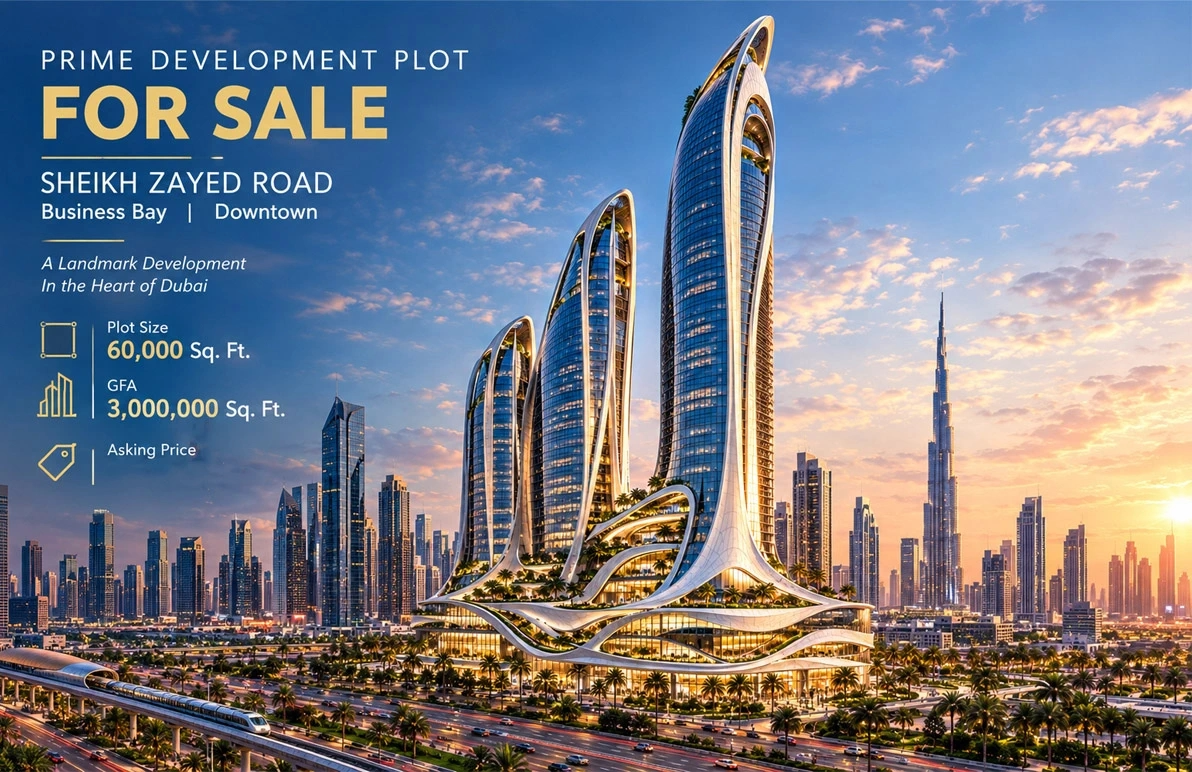
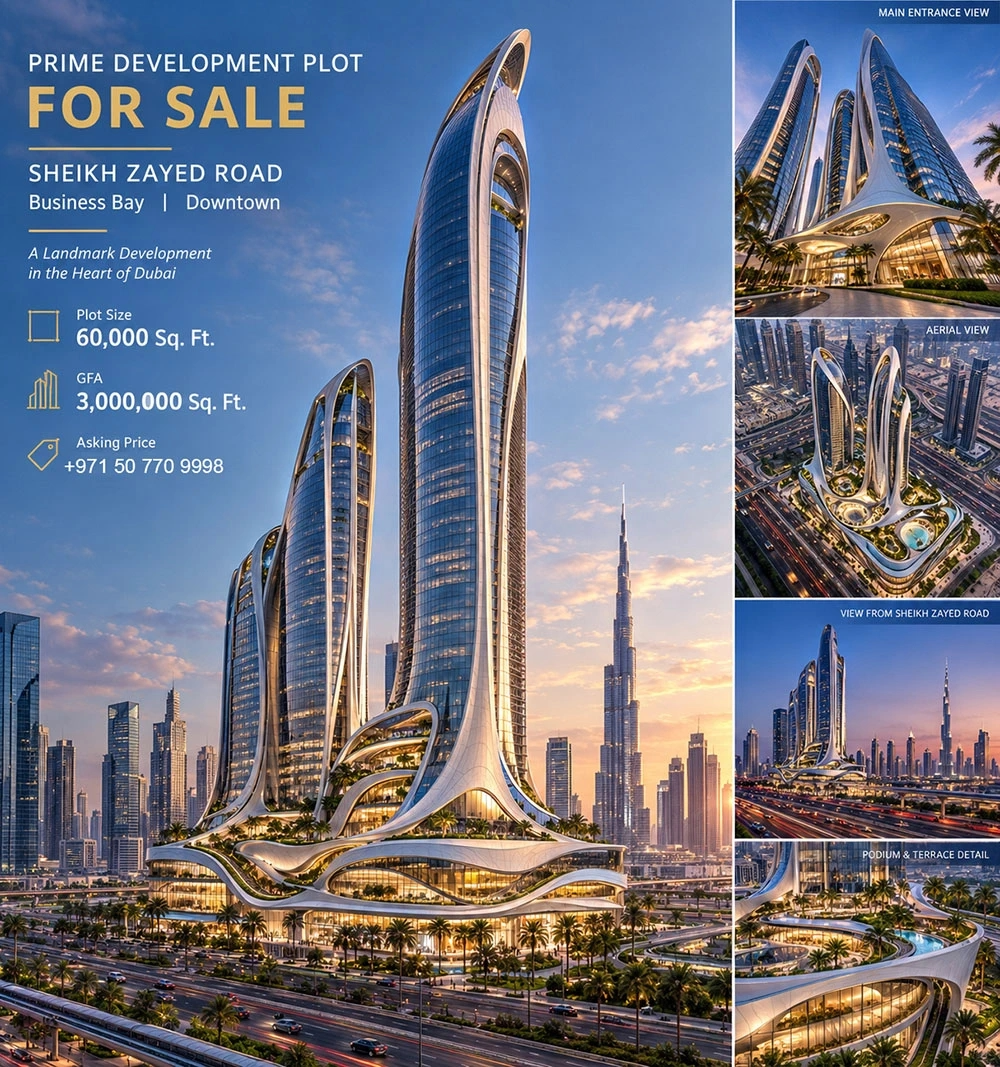
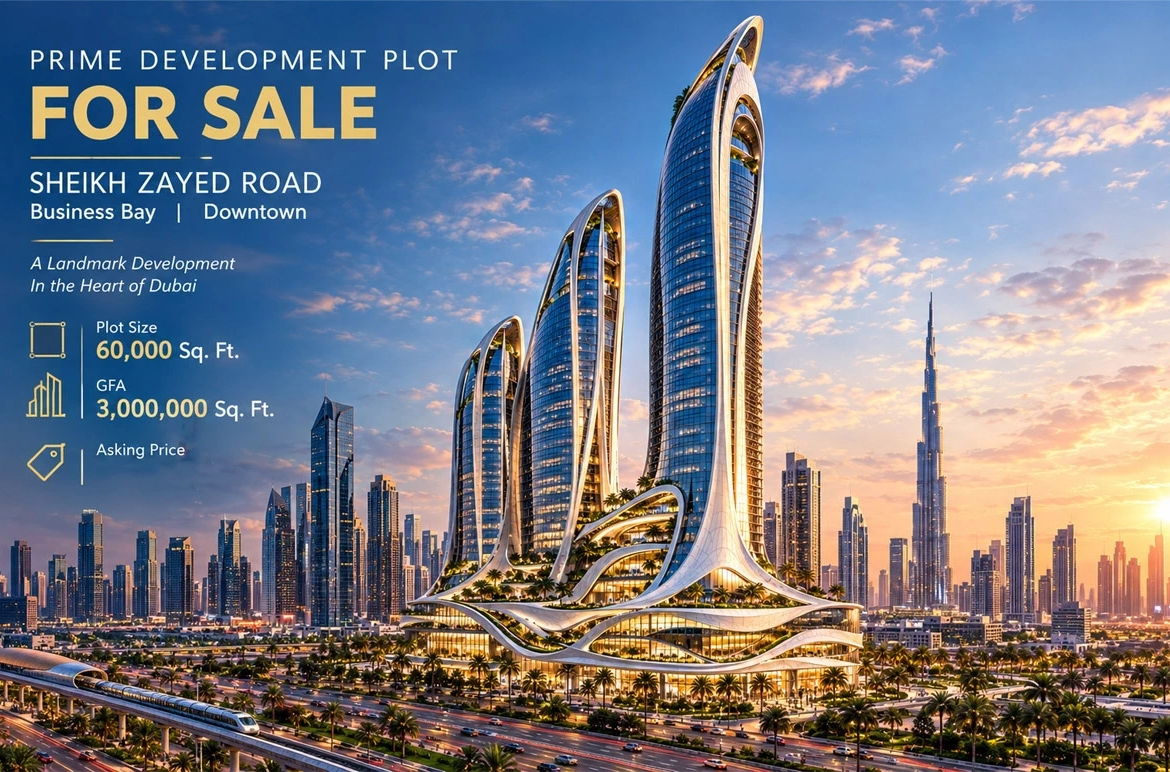
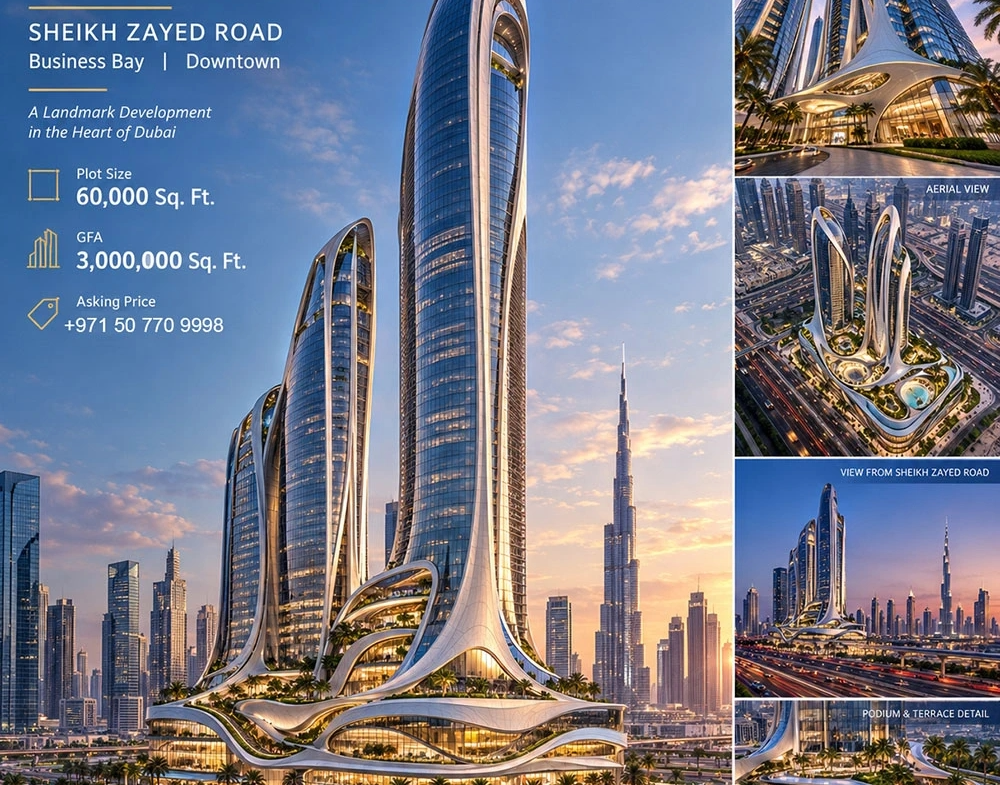
PRIME DEVELOPMENT PLOT FOR SALE – SHEIKH ZAYED ROAD,
Premium Location, on the main road.
Plot Details:
Plot Size: around 60,000 Sq. Ft.
GFA: more than 3,000,000 Sq. Ft.
Asking Price: ASK for the Price.
+971507709998
Sheikh Zayed Road: Dubai’s Economic, Commercial and Tourism Spine and a Strategic Real Estate Investment Corridor


4
Introduction
Sheikh Zayed Road (E11) is far more than one of Dubai’s major highways. It is one of the most recognizable urban corridors in the United Arab Emirates and a fundamental component of Dubai’s economic, commercial, tourism and real estate landscape.
Running through the heart of Dubai and connecting some of the emirate’s most important business, financial, residential, hospitality and entertainment districts, Sheikh Zayed Road has played a central role in the transformation of Dubai into a global city. The corridor links areas and destinations associated with international business, finance, tourism, luxury hospitality and high-density urban development.
Today, the Sheikh Zayed Road corridor is characterized by a dramatic skyline of office towers, residential buildings, hotels, serviced apartments and mixed-use developments. It provides direct or convenient access to major destinations including the Dubai World Trade Centre, DIFC, Emirates Towers, Museum of the Future, Downtown Dubai, Burj Khalifa, Dubai Mall, Business Bay, Dubai Internet City, Dubai Media City, Dubai Marina and Jebel Ali.
For investors, the importance of Sheikh Zayed Road lies not simply in its visibility. Its real strength comes from the combination of location, connectivity, business activity, tourism demand, transportation infrastructure, limited prime land and continuous investment in the surrounding urban network.
Sheikh Zayed Road and the Transformation of Dubai
The development of Sheikh Zayed Road reflects the evolution of Dubai itself.
What was once primarily a major highway connecting Dubai with Abu Dhabi has become a highly developed metropolitan corridor surrounded by some of the UAE’s most important commercial and residential districts. The road forms part of E11, the UAE’s principal east-west highway, while the name Sheikh Zayed Road is particularly associated with its Dubai section.
The corridor became a natural axis for Dubai’s vertical development. As the city expanded, high-rise offices, residential towers, hotels and mixed-use buildings increasingly concentrated around the road, creating the distinctive skyline that has become internationally associated with Dubai.
This relationship between transportation infrastructure and urban development is extremely important from a real estate perspective. Locations with direct access to major highways and mass-transit systems tend to attract businesses, residents, tourists and investors because accessibility directly influences the usefulness and marketability of real estate.


6
A Strategic Economic Corridor
Sheikh Zayed Road is one of Dubai’s most important economic corridors because it connects several of the emirate’s major economic centers.
The northern and central portions of the corridor provide access to the World Trade Centre, DIFC, Downtown Dubai and Business Bay, while the southern stretches connect toward Dubai Internet City, Dubai Media City, Dubai Marina and Jebel Ali.
This creates an unusually diverse economic environment.
Along and around the corridor are:
- International companies
- Banks and financial institutions
- Investment companies
- Professional services firms
- Government and corporate offices
- Hotels and serviced apartments
- Retail businesses
- Restaurants and entertainment venues
- Residential towers
- Exhibition and conference facilities
- Technology and media companies
The Roads and Transport Authority has specifically described Sheikh Zayed Road as a vital economic corridor, surrounded by residential communities and major economic and commercial landmarks including DIFC, Burj Khalifa and Dubai Mall, as well as multinational companies, banks, investment firms, hotels and entertainment facilities.
This concentration of economic activity generates continuous movement of employees, executives, entrepreneurs, visitors, tourists and consumers, supporting demand for offices, apartments, hotels, retail and hospitality-related real estate.
Dubai World Trade Centre: A Major Business Gateway
One of the most important economic anchors connected to Sheikh Zayed Road is the Dubai World Trade Centre (DWTC).
The World Trade Centre has hosted major international exhibitions, conferences and business events for decades. Its location immediately adjacent to Sheikh Zayed Road gives it exceptional accessibility from different parts of Dubai and the wider UAE.
The significance of this relationship extends beyond exhibition visitors.
Large international events create demand for:
Hotels → serviced apartments → restaurants → retail → transportation → offices → short-term accommodation → business services.
This creates a powerful ecosystem around Sheikh Zayed Road.
In 2026, the RTA’s World Trade Centre Roundabout development continued to improve connections between Sheikh Zayed Road, the World Trade Centre, DIFC and surrounding districts. The project is designed to improve traffic movement through several bridges and associated road improvements.
DIFC and Dubai’s Financial Economy
Another major economic engine connected to Sheikh Zayed Road is the Dubai International Financial Centre (DIFC).
DIFC has established Dubai as one of the principal financial centers connecting markets across the Middle East, Africa and South Asia.
The proximity between DIFC and Sheikh Zayed Road is strategically important for companies that require a prestigious central business location with strong road and metro connectivity.
This relationship has supported demand for:
- Premium office space
- Executive apartments
- Luxury residences
- Serviced apartments
- Five-star hotels
- Restaurants
- Retail
- Professional services
The result is a mixed-use environment in which commercial and residential real estate reinforce one another.
Connectivity: One of Sheikh Zayed Road’s Greatest Advantages


6
One of the most important reasons Sheikh Zayed Road remains attractive is its transportation infrastructure.
The Dubai Metro Red Line runs along a substantial portion of the Sheikh Zayed Road corridor and provides direct access to important locations including:
- World Trade Centre
- Emirates Towers
- Financial Centre
- Burj Khalifa/Dubai Mall
- Business Bay
- Dubai Internet City
- Dubai Marina and surrounding districts
The official RTA metro map confirms the sequence of major Red Line stations serving this central corridor.
This is particularly significant for real estate.
An office or residence near a metro station can serve people who do not want to depend entirely on private vehicles. At the same time, direct highway access provides convenience for motorists.
This combination of highway + metro + urban density is one of the strongest characteristics of Sheikh Zayed Road.
Continuous Infrastructure Investment
Sheikh Zayed Road is not a static infrastructure asset. Dubai continues to invest in improving its capacity and connections.
In August 2026, RTA completed a 2-kilometre widening project near the Burj Khalifa/Dubai Mall Metro Station, increasing the relevant section from six to seven lanes. According to RTA, the improvement increased capacity by 17% and could reduce peak-hour journey times by up to 10%.
In February 2026, a new 1-kilometre bridge connecting Sheikh Zayed Road toward Sheikh Khalifa bin Zayed Street was opened as part of the World Trade Centre Roundabout Development. RTA stated that the bridge can accommodate approximately 3,000 vehicles per hour and reduces the journey time on the relevant movement from six minutes to one minute.
These projects demonstrate an important principle for investors: Dubai continues to invest in the infrastructure surrounding the corridor rather than treating it as a completed historical asset.
Future infrastructure can influence accessibility, traffic distribution and the attractiveness of surrounding properties.
Sheikh Zayed Road and Tourism
Sheikh Zayed Road is also an important tourism corridor.
For many visitors arriving in Dubai, the road provides an immediate visual introduction to the city’s identity: enormous skyscrapers, luxury hotels, modern architecture, illuminated highways and the Dubai Metro.
The corridor connects visitors with some of Dubai’s most recognizable attractions.
Among the major attractions accessible from the corridor are:
Burj Khalifa
The Burj Khalifa, located in Downtown Dubai, is one of the world’s most recognizable architectural landmarks and a major tourist attraction.
Its relationship with Sheikh Zayed Road is particularly important because the highway and surrounding road network provide access to Downtown Dubai and the Burj Khalifa/Dubai Mall area.
Museum of the Future


5
The Museum of the Future has become another major architectural and tourism landmark on Sheikh Zayed Road.
Its distinctive architecture combines advanced technology, contemporary design and Arabic calligraphy. Visit Dubai describes it as a destination focused on science, technology and innovation.
Its location near Emirates Towers Metro Station further demonstrates how Dubai combines tourism, architecture and public transportation around the Sheikh Zayed Road corridor.
Emirates Towers
The Emirates Towers complex is another defining landmark associated with Sheikh Zayed Road and represents Dubai’s corporate and luxury-business identity.
The concentration of iconic buildings along the corridor has helped transform Sheikh Zayed Road itself into a recognizable component of Dubai’s tourism image.
Hospitality and Hotel Investment
The combination of business travel and leisure tourism creates an important hospitality market along Sheikh Zayed Road.
Hotels benefit from several categories of visitors:
- International business travelers
- Exhibition visitors
- Corporate executives
- Tourists
- Families
- Conference attendees
- Long-stay visitors
- Residents requiring temporary accommodation
This creates opportunities for several real estate formats:
Hotels → serviced apartments → hotel apartments → branded residences → furnished apartments → short-term accommodation.
Investors should nevertheless distinguish between different regulatory and operational models. Hotel and short-term rental opportunities require appropriate licensing, management structures and compliance with applicable Dubai regulations.
Commercial Real Estate Opportunities
Sheikh Zayed Road is particularly important for commercial real estate because location and visibility have a direct relationship with corporate identity.
For many businesses, a recognizable Sheikh Zayed Road address can provide:
- Corporate visibility
- Accessibility for employees
- Accessibility for clients
- Proximity to financial districts
- Proximity to government and business centers
- Metro connectivity
- Access to major highways
- Proximity to hotels and restaurants
Commercial investment opportunities can include:
Office Buildings
Whole or partial office buildings can be attractive to investors seeking rental income from corporate tenants.
Mixed-Use Buildings
Mixed-use properties can combine:
Retail + offices + residential units + hospitality.
This diversification can reduce dependence on one category of tenant.
Retail
Ground-floor retail can benefit from the large population of employees, residents and visitors moving through the corridor and surrounding communities.
Hotels and Serviced Apartments
These properties can target both business and leisure demand, particularly in locations close to metro stations, business districts and major attractions.
Residential Real Estate Along Sheikh Zayed Road


7
Residential property represents another major component of the corridor.
The primary advantage is convenience.
Professionals working in DIFC, Downtown Dubai, Business Bay, Media City and other central business districts can benefit from living close to their workplace.
Residential options include:
- Apartments
- Luxury apartments
- Penthouses
- Serviced apartments
- Furnished apartments
- Hotel apartments
- Branded residences
- Larger mixed-use developments
The strongest residential investment opportunities are not necessarily determined by the simple phrase “Sheikh Zayed Road.”
Instead, investors should evaluate the exact building, title status, tenure, service charges, quality of construction, age, views, parking, metro accessibility, rental demand, maintenance and future development potential.
Land: The Scarcity Factor
For sophisticated real estate investors, perhaps the most interesting opportunity is not always an apartment or an existing building.
It can be land.
Prime development land around central Dubai is inherently limited. As the city becomes more developed, assembling large plots in strategic locations becomes increasingly difficult.
This creates opportunities for:
- Residential towers
- Commercial towers
- Mixed-use developments
- Hotels
- Branded residences
- Office developments
- Serviced apartments
- High-density urban projects
The value of a development plot should not be assessed solely according to its land area.
An investor must examine:
Plot Area + Permitted GFA + Height + Permitted Use + FAR + Setbacks + Parking + Title Status + Development Costs + Infrastructure + Exit Value.
A relatively expensive plot can potentially be attractive if it permits substantial GFA and a high-value development concept.
Conversely, a seemingly inexpensive plot can be unattractive if development restrictions substantially limit its potential.
A Strategic Example: High-Density Development
A development site positioned close to Sheikh Zayed Road with significant permitted GFA can potentially support a landmark project.
For example, a hypothetical large development plot could be considered for:
Luxury Residential Tower
or
Mixed-Use Tower
or
Hotel + Serviced Apartments
or
Commercial + Residential Development
The feasibility would depend on the permitted planning parameters and the developer’s ability to create a project that matches the location.
In premium locations, architecture itself can become part of the investment strategy.
A distinctive building can create:
Landmark identity → stronger branding → higher visibility → stronger sales/rental positioning → potential premium pricing.
This is particularly relevant in Dubai, where architecture and skyline identity have become important components of real estate marketing.
The Importance of Views
One of the special characteristics of Sheikh Zayed Road is the possibility of exceptional urban views.
Depending on the location and orientation, properties may benefit from views toward:
- Burj Khalifa
- Downtown Dubai
- Emirates Towers
- Dubai skyline
- Dubai Canal
- Business Bay
- Arabian Gulf
- Dubai Marina
- Sheikh Zayed Road skyline
Views can materially influence the desirability of residential and hospitality units.
However, investors should never assume that an existing view will remain permanently unobstructed. Future development rights on surrounding land should always be investigated before making an investment decision.
Freehold and Ownership Considerations
Another important issue for property investors is ownership structure.
Not every property associated with the Sheikh Zayed Road corridor should automatically be treated as having the same ownership status.
Some plots along the road have been identified for conversion from leasehold to freehold, but eligibility can depend on the specific property and title. Property Finder notes that Dubai Land Department has identified 128 plots along Sheikh Zayed Road for conversion from leasehold to freehold, with buyers advised to verify the specific property through the Dubai REST system or the relevant authorities before committing.
Therefore, before purchasing a property, an investor should verify:
Title deed → ownership type → permitted use → DLD registration → development rights → restrictions → existing liabilities → service charges → planning status.
This is particularly important for international investors.
Why Businesses Prefer Strategic Central Locations
For a company, real estate is not simply a physical asset.
Location can influence:
- Corporate image
- Employee recruitment
- Employee retention
- Customer accessibility
- Business networking
- Meeting convenience
- Brand visibility
- Operating efficiency
A company located close to DIFC, Downtown, Business Bay and major transport infrastructure can potentially serve a broad business network without requiring employees and clients to travel across the entire emirate.
This is one reason central Dubai locations continue to attract businesses even as new commercial districts emerge.
Sheikh Zayed Road and Dubai’s Future Growth
The future importance of Sheikh Zayed Road is closely connected to Dubai’s continuing population growth, economic expansion and infrastructure investment.
Importantly, Dubai’s strategy is not simply to add more road lanes.
It increasingly involves a combination of:
Road infrastructure + Metro + pedestrian connectivity + smart mobility + urban development + alternative corridors.
A major example is Dubai’s planned First Al Khail Street Development Plan, which will create a strategic elevated corridor parallel to Sheikh Zayed Road. According to Dubai’s Executive Council, the planned 15-kilometre corridor is intended to serve areas including Al Barsha, Al Quoz, Business Bay and Meydan and could reduce peak-hour travel time on Sheikh Zayed Road by 51% once completed.
This is significant because it illustrates how Dubai is building a broader transportation network around its major economic corridors.
Investment Opportunities: What Should Investors Look For?
Investors considering Sheikh Zayed Road should not simply ask:
“What is the price per square foot?”
A better investment analysis asks:
1. What is the exact location?
Distance from Sheikh Zayed Road alone is not sufficient.
2. What is the title status?
Freehold, leasehold or another ownership structure can materially affect the investment.
3. What is the permitted use?
Residential, commercial, hotel, mixed-use or other uses can have very different financial outcomes.
4. What is the permitted GFA?
GFA can be more important than plot size when evaluating development land.
5. What is the current income?
For an existing building, investors should examine actual rental income rather than estimated income.
6. What is the operating cost?
Service charges, maintenance, utilities, management and vacancy should be included.
7. What is the future development potential?
A property with redevelopment or refurbishment potential can have a very different investment profile from a fully stabilized asset.
8. What is the exit strategy?
Possible exit strategies include:
Hold for rental income → renovate → reposition → sell → redevelop → joint venture → partial sale.
Opportunities for International Investors
Sheikh Zayed Road can be particularly interesting for international investors because it represents a globally recognizable Dubai address.
An international investor may consider:
- Income-producing apartments
- Luxury residences
- Commercial offices
- Whole buildings
- Hotel apartments
- Development plots
- Mixed-use assets
- Joint-venture development opportunities
However, professional due diligence remains essential.
The investment should be based on the specific asset and its legal, planning and financial characteristics, rather than simply on the reputation of Sheikh Zayed Road.
The Strategic Relationship Between Sheikh Zayed Road, Downtown and Business Bay


6
One of the most powerful aspects of Sheikh Zayed Road is its position between several of Dubai’s most important urban districts.
DIFC represents financial services.
Downtown Dubai represents luxury, tourism, retail and iconic landmarks.
Business Bay represents commercial and mixed-use development.
World Trade Centre represents international exhibitions and business events.
Dubai Marina and JLT represent major residential, commercial and lifestyle destinations further south.
Sheikh Zayed Road provides the connective infrastructure that allows these districts to function as part of one larger metropolitan economy.
A Corridor Where Business, Tourism and Real Estate Meet
The real strength of Sheikh Zayed Road is therefore not any single building or attraction.
It is the interaction between different economic activities.
A business executive stays in a hotel.
The hotel employs staff.
The employee rents an apartment.
The executive attends a conference at the World Trade Centre.
The company rents an office near DIFC.
The visitor travels by Metro.
The tourist visits Downtown Dubai.
The family spends money in restaurants and retail stores.
The property investor owns the apartment, office, hotel or development land.
All of these activities are interconnected.
This is why Sheikh Zayed Road should be viewed as an economic ecosystem rather than simply a highway.
Sheikh Zayed Road as a Long-Term Real Estate Investment Corridor
For long-term investors, the most compelling characteristic of Sheikh Zayed Road may be its combination of strategic location and scarcity.
Dubai can continue creating new communities, but it cannot easily recreate the same central relationship between:
DIFC + Downtown + World Trade Centre + Business Bay + Metro + E11 + established skyline + international tourism + corporate activity.
This geographical combination is difficult to duplicate.
Consequently, prime properties with strong fundamentals can potentially retain strategic importance even as new development areas emerge elsewhere in Dubai.
Conclusion
Sheikh Zayed Road is one of the defining economic and real estate corridors of Dubai and the UAE.
It is simultaneously a transportation artery, business corridor, tourism route, corporate address, residential destination and real estate investment market.
Its proximity to DIFC, Dubai World Trade Centre, Emirates Towers, Museum of the Future, Downtown Dubai, Burj Khalifa, Dubai Mall and Business Bay, combined with extensive Metro connectivity and continuing infrastructure investment, gives the corridor a unique position within Dubai’s urban economy.
For real estate investors, opportunities can exist across several categories, including land, development plots, office buildings, mixed-use buildings, hotels, serviced apartments, luxury residences, furnished apartments and income-producing properties.
However, successful investment requires more than buying a prestigious address. Investors should examine the exact location, title status, permitted development rights, GFA, property condition, rental income, operating costs, market demand, future infrastructure and potential exit strategy.
Sheikh Zayed Road’s greatest asset is ultimately its strategic position at the intersection of Dubai’s economy, transportation network, tourism industry and real estate market.
As Dubai continues to expand and invest in its infrastructure, Sheikh Zayed Road is likely to remain not merely one of the city’s most famous roads, but one of its most important commercial and investment corridors.
For investors seeking prime Dubai real estate, Sheikh Zayed Road should therefore be evaluated not simply as a location, but as a strategic gateway to the wider Dubai economy.
Address
Open on Google Maps- City: Dubai
- Area: Sheikh Zayed Road
- Country: United Arab Emirates
Details
- Price Ask for Price
- Property Size 60,000 sqft
- Handover Ready to Build
- Property Type Plot for Sale
- Property Status For Sale
Contact Information
View ListingsSimilar Listings
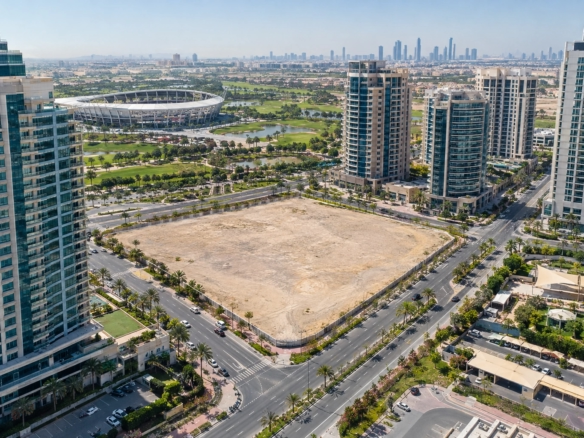
Commercial Plot for Sale Dubai Sports City
- AED85,000,000
- 35,000 sqft
- GFA: 206,900
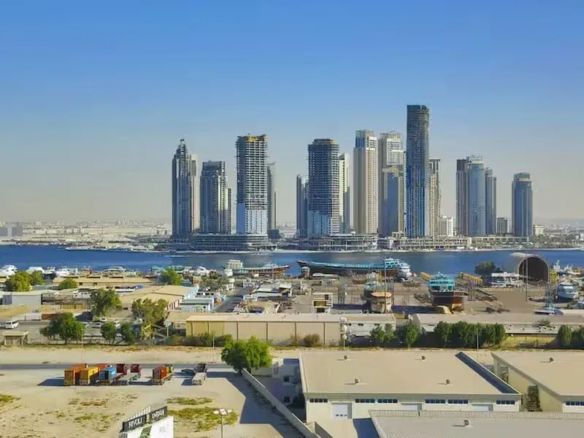
Freehold Plot for Sale in Al Jaddaf
- AED42,000,000
- 13,400 sqft
- GFA: 90,000